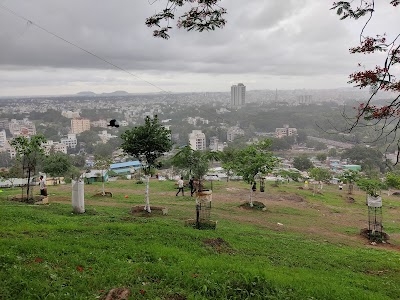
Historic Hilltop – Parvati Paytha is a significant historical and religious complex situated atop a hill in Pune, Maharashtra. It is primarily known for its ancient temples and as a vantage point offering panoramic views of the city. I see it as a blend of spiritual sanctity and scenic beauty.
Historical background
Peshwa Legacy – This site holds deep historical roots, particularly with the Maratha Empire's Peshwa dynasty. The temples here were built during the reign of Shahu Maharaj and later developed by Nanasaheb Peshwa in the 18th century, serving as a private worship place for the Peshwas.
Spiritual & Cultural Significance
Sacred Shrines – Parvati Paytha is a revered pilgrimage site. It houses several temples, most notably the Parvati Temple dedicated to the goddess Parvati and the Devadeveshwar Temple dedicated to Lord Shiva. It's a place where devotees come for worship and spiritual solace.
Key highlights
Views & Temples – Here’s what I find particularly noteworthy:
Panoramic City Views – From the hilltop, I can see sweeping vistas of Pune city, especially captivating during sunrise or sunset.
Historic Temples – The cluster of temples, including Parvati and Devadeveshwar, showcases traditional Maratha architecture and offers a peaceful atmosphere for reflection.
Peshwa Museum – A small museum within the complex, often referred to as the Peshwa Museum , displays artifacts and photographs related to the Peshwa era, providing insights into their history.
What to expect
Climb & Calm – I anticipate a climb of about 103 steps to reach the hilltop, which can be moderately challenging for some. Once at the top, the atmosphere is generally serene and spiritual, attracting a mix of pilgrims, history enthusiasts, and locals seeking a quiet escape or morning exercise. The views are a significant draw.
Practical info
Accessibility & Timings – The climb involves stairs, so it might be challenging for those with mobility issues. The temples are generally open from early morning until late evening, though specific timings can vary. There are usually refreshment stalls at the base and sometimes on the hill.
Good to know
Comfortable Footwear – I recommend wearing comfortable walking shoes due to the steps involved in ascending the Parvati Hill . Early mornings or late afternoons are often considered the best times to visit to avoid the midday heat and enjoy cooler temperatures and better light for photography.