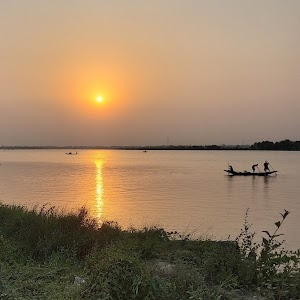
Lifeline of Bengal – The Hooghly River is a significant distributary of the Ganges River, flowing through West Bengal, India. It's a vital waterway that has shaped the region's history, culture, and economy, particularly for the vibrant city of Kolkata .
Why people come here
Cultural Hub – People are drawn to the Hooghly for its scenic beauty, historical significance, and the vibrant life along its banks. It serves as a picturesque backdrop for various cultural activities, religious ceremonies, and offers unique perspectives of the surrounding cities.
What to expect
Dynamic Scenery – Expect a dynamic environment where traditional river life, like fishing boats and bustling ghats, blends seamlessly with modern bridges and cityscapes. The atmosphere can range from lively at major ghats to serene during river cruises, offering a tranquil escape amidst urban activity.
What to do here
River Activities –
Boat Rides – Enjoy leisurely boat rides, especially popular during sunrise or sunset, offering panoramic views of the riverfront and iconic landmarks such as the Howrah Bridge .
Ghat Visits – Explore the numerous ghats (steps leading to the river), like Princep Ghat or Babughat , which are hubs of daily life and offer opportunities for photography and people-watching.
Photography – Capture the unique blend of historical architecture, daily life, and natural beauty along the riverbanks.
Best time to go
Cooler Months – The cooler, drier months from October to March are generally considered the most pleasant for visiting the Hooghly River. The weather is milder, making outdoor activities and boat rides more comfortable.
Practical info
Accessibility – The riverfront is easily accessible from various points in Kolkata and Howrah . Many ghats have public access, and various boat services are available. The duration of activities varies from short boat rides to longer cruises.
Good to know
Historical Importance – The Hooghly River played a pivotal role in the colonial history of India, with European powers establishing trading posts along its banks. It continues to be a significant waterway, influencing the culture and economy of West Bengal.
Cultural Significance – The river is revered by many and is often the site for religious festivals and ceremonies, especially during Durga Puja and other Hindu festivals, adding to its vibrant cultural tapestry.