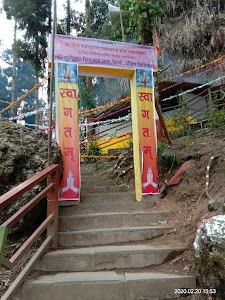
Hindu Temple – This is a sacred Hindu temple, or 'Shivalaya Dham', dedicated to Lord Shiva. It likely features a Shiva Lingam, which is the primary object of worship, representing the divine energy and potential of the deity.
Why people come here
Worship & Devotion – Visitors typically come here for worship, offering prayers, and seeking blessings from Lord Shiva. It serves as a place for devotees to connect spiritually, perform rituals, and find peace.
Spiritual or cultural significance
Lord Shiva's Abode – As a Shivalaya, this site holds deep spiritual significance for followers of Hinduism, particularly Shaivites. It is considered an abode of Lord Shiva, where devotees can experience divine presence and participate in traditional religious practices.
What to expect
Peaceful Atmosphere – I expect a generally peaceful and devotional atmosphere, especially during non-peak hours. You can anticipate seeing devotees performing prayers, offering flowers and water, and engaging in quiet contemplation. The experience is usually one of spiritual reflection and cultural immersion.
Visitor etiquette
Respectful Conduct – When visiting, I recommend dressing modestly, covering shoulders and knees, as a sign of respect. It's customary to remove your footwear before entering the main shrine. Maintaining silence or speaking softly is appreciated, and photography rules may vary, so it's wise to observe or inquire.
Facilities for visitors
Basic Amenities – While specific facilities can vary, you might typically find areas for shoe storage, donation boxes, and possibly basic washroom facilities. Parking availability would depend on the temple's location and infrastructure.
Best time to go
Morning & Evening – The most serene times to visit are often during the early morning hours for morning prayers (aarti) or in the evening as the day winds down. During Hindu festivals dedicated to Lord Shiva, like Maha Shivaratri, the temple will be significantly more crowded and vibrant.
Practical info
Short Visit – A typical visit for darshan (viewing the deity) and prayer might range from 30 minutes to an hour, depending on your personal devotion and crowd levels. Timings for opening and closing generally follow traditional temple schedules, often from early morning to late evening, with a possible midday break.