
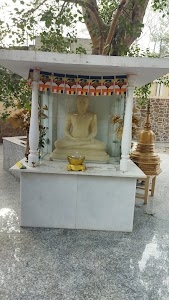



Buddha Temple, Gali Number 5, Block N, Bihari Colony, Shahdara, Delhi, India
Community Center – Beyond individual worship, it often serves as a central point for the local Buddhist community. Here, you might find religious ceremonies, cultural events, and educational activities focused on Buddhist philosophy.
Cultural Experience – Some may visit to learn about Buddhist traditions, observe local rituals, or participate in community events, offering insight into a different cultural and spiritual perspective.
Simple Surroundings – You can generally expect to see traditional Buddhist iconography, such as statues of Buddha, prayer flags, and offerings. The setting is typically modest, with an emphasis on spiritual focus rather than elaborate decoration.
Shoe Removal – It is typically expected that you remove your shoes before entering the main prayer hall or inner sanctum. Photography rules can vary, so it's always wise to look for signs or politely inquire if you are unsure.
Donations Welcome – Temples are often maintained through voluntary donations, so you might find donation boxes available for those who wish to contribute to the temple's upkeep.
Community Focus – Its primary role is often to serve the immediate local community, which can make a visit feel more intimate and personal compared to larger, more widely known temples.
What is this place?
Buddhist Temple – This is a local Buddhist temple situated in the Bihari Colony area of Shahdara, Delhi. It functions as a sacred space for worship and community gatherings for local Buddhist devotees.Spiritual or Cultural Significance
Spiritual Hub – For many, I find this temple to be a tranquil space dedicated to the teachings and practices of Buddhism. It typically offers a peaceful environment for meditation, prayer, and quiet reflection, fostering a sense of inner calm and spiritual connection.Community Center – Beyond individual worship, it often serves as a central point for the local Buddhist community. Here, you might find religious ceremonies, cultural events, and educational activities focused on Buddhist philosophy.
Why people come here
Worship & Reflection – Visitors generally come here to offer prayers, engage in meditation, seek spiritual solace, or simply experience the serene atmosphere characteristic of a Buddhist place of worship.Cultural Experience – Some may visit to learn about Buddhist traditions, observe local rituals, or participate in community events, offering insight into a different cultural and spiritual perspective.
What to expect
Peaceful Atmosphere – I anticipate a calm and respectful environment, well-suited for contemplation. The temple is usually quiet, though it may become more active during specific prayer times or festivals.Simple Surroundings – You can generally expect to see traditional Buddhist iconography, such as statues of Buddha, prayer flags, and offerings. The setting is typically modest, with an emphasis on spiritual focus rather than elaborate decoration.
Visitor Etiquette
Respectful Conduct – When visiting, it’s customary to maintain silence or speak softly. Dressing modestly, covering shoulders and knees, is generally a sign of respect.Shoe Removal – It is typically expected that you remove your shoes before entering the main prayer hall or inner sanctum. Photography rules can vary, so it's always wise to look for signs or politely inquire if you are unsure.
Practical Info
Local Access – Being located within a residential colony, access to the temple is primarily local. It's advisable to check with local residents for specific opening hours, as these can vary for smaller community temples.Donations Welcome – Temples are often maintained through voluntary donations, so you might find donation boxes available for those who wish to contribute to the temple's upkeep.
Good to know
Local Landmark – This temple acts as a quiet spiritual anchor within the bustling neighborhood of Shahdara , providing a peaceful contrast to the surrounding urban environment.Community Focus – Its primary role is often to serve the immediate local community, which can make a visit feel more intimate and personal compared to larger, more widely known temples.
