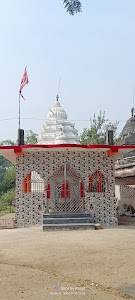
Hindu Temple – I find this to be a Hindu temple dedicated to Lord Shiva, one of the principal deities of Hinduism. It serves as a place of worship and spiritual gathering for devotees.
Why people come here
Worship & Devotion – People typically visit to offer prayers, perform rituals, seek blessings, and experience a sense of peace and devotion. Many come to participate in daily aarti (prayer rituals) or during specific Hindu festivals.
What to expect
Spiritual Ambiance – You can expect a serene and spiritual atmosphere, often accompanied by the chanting of hymns and the aroma of incense. Crowd levels can vary; it might be quiet on regular days and busier during festivals or auspicious times.
Spiritual or cultural significance
Lord Shiva Worship – This temple holds spiritual significance as a place dedicated to Lord Mahadev (Shiva), revered as the destroyer of evil and the transformer. It is a central point for the local community's religious life and cultural traditions.
Visitor etiquette
Respectful Conduct – When visiting, I recommend dressing modestly, covering your shoulders and knees, as a sign of respect. It's generally customary to remove your footwear before entering the main shrine. Photography rules can vary, so it's good to observe local signs or ask. Maintaining a peaceful demeanor is always appreciated.
Practical info
General Guidance – Temple timings often vary, but they generally open early in the morning and close in the evening, with a possible midday break. Accessibility might involve some steps, typical for older temples. Parking availability can depend on the location; sometimes it's street parking or a dedicated small lot.
Good to know
Offerings & Festivals – I've noticed that devotees often bring offerings such as flowers, fruits, milk, or water for the deity. Major Hindu festivals related to Lord Shiva, like Maha Shivaratri, are usually celebrated with special ceremonies and can attract larger crowds.