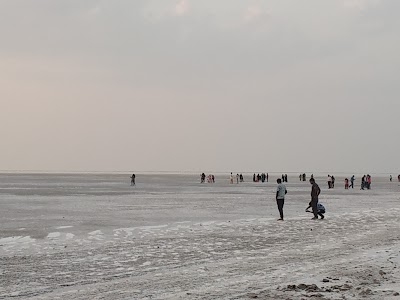
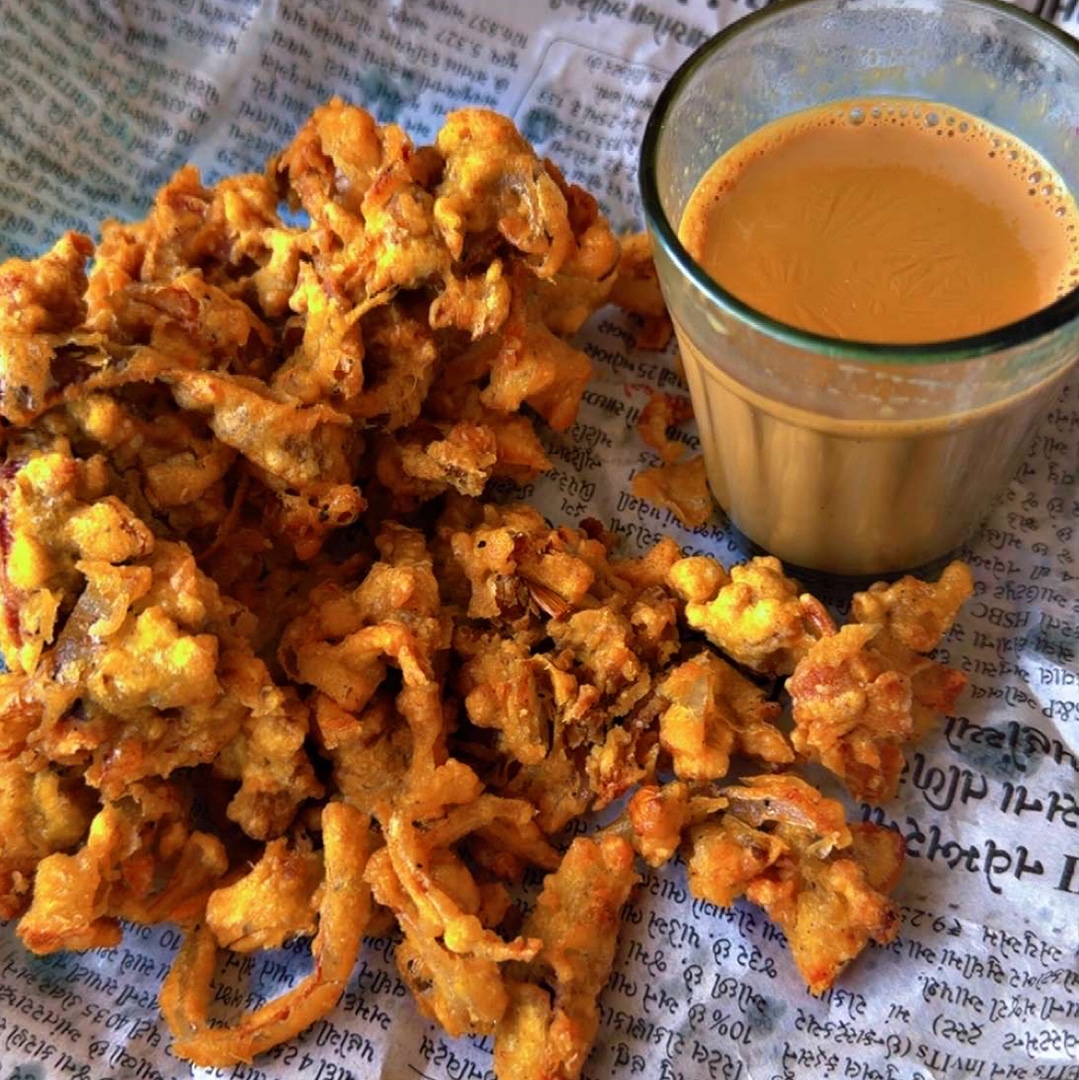
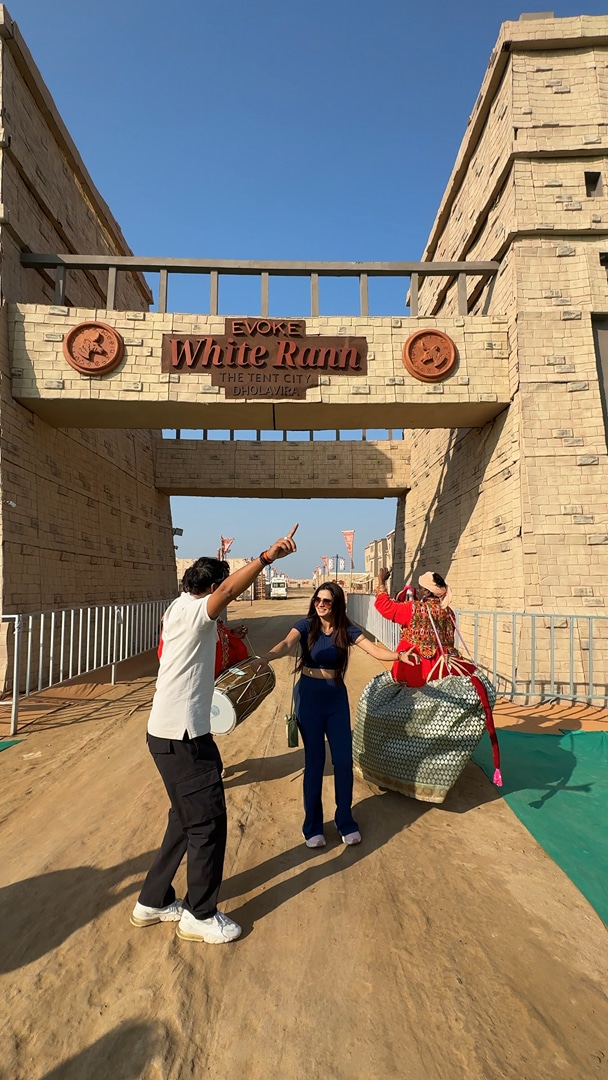
Salt Marsh – The Rann of Kutch is an immense seasonal salt marsh located in the Thar Desert in the Kutch District of Gujarat, India. It's renowned as one of the largest salt deserts in the world, transforming with the seasons. During the monsoon, it's often submerged, and then in winter, it dries out to reveal a vast, white expanse of crystallized salt.
Why people come here
Unique Landscape – Many explorers are drawn to the Rann of Kutch to witness its otherworldly, stark white landscape, especially during sunrise and sunset when the salt flats shimmer with ethereal beauty. It's also a hub for experiencing the vibrant culture of Gujarat. The annual Rann Utsav festival is a major draw, showcasing local art, music, and traditions.
What to expect
Surreal Experience – Expect a truly unique and expansive environment that feels like another planet. The atmosphere is generally calm and serene, though it can become quite lively and crowded during the peak festival season. You'll find opportunities for cultural immersion, traditional crafts, and breathtaking photographic moments.
Best time to go
Winter Months – The ideal time to visit the Rann of Kutch is typically from October to March. During these cooler, drier months, the salt flats are fully exposed, and the weather is most pleasant for exploration. This period also coincides with the popular Rann Utsav festival, which usually runs from November to February.
What to do here
Explore & Experience – I recommend exploring the vast white desert, especially during the magical hours of dawn and dusk. You can witness stunning sunrises and sunsets that paint the salt flats with incredible hues. Other activities include visiting nearby traditional villages to observe local life, enjoying cultural performances, and taking camel cart rides across the Rann.
Practical info
Permits & Preparedness – Since much of the Rann is a sensitive border area, permits are generally required for entry to certain parts, which can often be obtained online or at designated checkpoints. The region can experience extreme temperatures, with hot days and cold nights, so dress in layers and carry plenty of water. Facilities within the Rann itself are limited, making pre-booked accommodation and transport essential. The terrain is mostly flat, making it accessible, but some areas might require specific vehicles.