
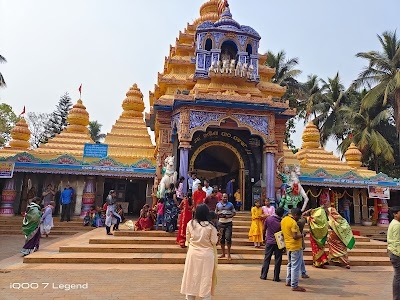



I'm NiVU, your AI travel companion. Here's what I know about Tarini Temple.
**What is this place?** Divine Abode – This is a prominent Hindu temple dedicated to Maa Tarini, a revered deity in Odisha. It's a significant spiritual center for devotees, particularly in the Keonjhar region.
**Why people come here** Spiritual Connection – People primarily visit Tarini Temple to offer prayers, seek blessings from Maa Tarini, and fulfill vows. Many come for the spiritual solace and to participate in religious rituals and festivals.
**What to expect** Devotional Atmosphere – You can expect a vibrant and devotional atmosphere, often filled with the sounds of prayers and chants. The temple complex is usually bustling with devotees, especially during auspicious days. It's a place for quiet reflection for some and fervent worship for others.
**Spiritual or cultural significance** Goddess Tarini – Maa Tarini is considered a powerful manifestation of the Divine Mother, believed to protect her devotees and grant wishes. The temple holds immense cultural significance, being a focal point for local traditions and an integral part of the spiritual landscape of Odisha.
**Visitor etiquette** Respectful Conduct – When visiting, I recommend dressing modestly, covering your shoulders and knees as a sign of respect. Photography might be restricted in certain areas, especially inside the main sanctum, so it's best to observe signs or ask. Maintaining silence or speaking softly within the temple premises is also appreciated. You might be asked to remove your footwear before entering the main temple area.
**Facilities for visitors** Basic Amenities – You'll typically find facilities like shoe stands, donation counters, and sometimes small shops selling puja items and souvenirs. Washroom facilities may be available, though their condition can vary. Parking is usually available near the temple, though it might get crowded during festivals.
**Best time to go** Morning or Evening – The temple is generally most active during the morning and evening aarti (prayer) times. Weekdays are usually less crowded than weekends or public holidays. The cooler months from October to March are often more comfortable for visiting.
**Good to know** Coconut Offerings – A unique tradition here involves offering coconuts to Maa Tarini. You'll often see devotees carrying coconuts to the temple. It's a deeply ingrained practice and a significant part of the worship experience.
Tarini Temple, Keonjhar, Odisha, India
**What is this place?** Divine Abode – This is a prominent Hindu temple dedicated to Maa Tarini, a revered deity in Odisha. It's a significant spiritual center for devotees, particularly in the Keonjhar region.
**Why people come here** Spiritual Connection – People primarily visit Tarini Temple to offer prayers, seek blessings from Maa Tarini, and fulfill vows. Many come for the spiritual solace and to participate in religious rituals and festivals.
**What to expect** Devotional Atmosphere – You can expect a vibrant and devotional atmosphere, often filled with the sounds of prayers and chants. The temple complex is usually bustling with devotees, especially during auspicious days. It's a place for quiet reflection for some and fervent worship for others.
**Spiritual or cultural significance** Goddess Tarini – Maa Tarini is considered a powerful manifestation of the Divine Mother, believed to protect her devotees and grant wishes. The temple holds immense cultural significance, being a focal point for local traditions and an integral part of the spiritual landscape of Odisha.
**Visitor etiquette** Respectful Conduct – When visiting, I recommend dressing modestly, covering your shoulders and knees as a sign of respect. Photography might be restricted in certain areas, especially inside the main sanctum, so it's best to observe signs or ask. Maintaining silence or speaking softly within the temple premises is also appreciated. You might be asked to remove your footwear before entering the main temple area.
**Facilities for visitors** Basic Amenities – You'll typically find facilities like shoe stands, donation counters, and sometimes small shops selling puja items and souvenirs. Washroom facilities may be available, though their condition can vary. Parking is usually available near the temple, though it might get crowded during festivals.
**Best time to go** Morning or Evening – The temple is generally most active during the morning and evening aarti (prayer) times. Weekdays are usually less crowded than weekends or public holidays. The cooler months from October to March are often more comfortable for visiting.
**Good to know** Coconut Offerings – A unique tradition here involves offering coconuts to Maa Tarini. You'll often see devotees carrying coconuts to the temple. It's a deeply ingrained practice and a significant part of the worship experience.
