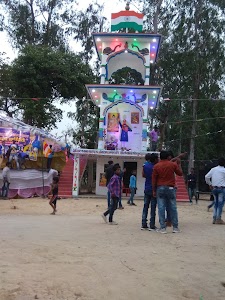
Sacred Space – This is a sacred Buddhist temple, typically serving as a place of worship, meditation, and community gathering. It offers a tranquil environment for devotees and visitors to connect with Buddhist teachings and practices.
Spiritual Significance
Buddhist Faith – As a Buddhist temple, it holds significance for followers of the Buddhist faith. It often serves as a center for spiritual learning, prayer, and the observance of Buddhist rituals and festivals, promoting peace and mindfulness.
Why People Visit
Peace & Reflection – People generally visit for prayer, meditation, or to find a sense of peace and quiet contemplation. It can also be a destination for those interested in exploring Buddhist culture, architecture, and spiritual practices.
What to Expect
Serene Atmosphere – You can typically expect a serene and respectful atmosphere. The environment is generally conducive to quiet reflection, and you may observe devotees engaged in prayer or meditation. The architecture often features traditional Buddhist design elements.
Visitor Etiquette
Respectful Conduct – When visiting, it is generally expected to dress modestly, covering shoulders and knees. Removing your shoes before entering prayer halls is a common practice. Maintaining a quiet demeanor and being respectful of those engaged in worship is also important. Photography rules may vary, so it's good to be mindful.
Practical Information
General Guidance – Temples are typically open during daylight hours, though specific timings can vary. A visit might range from a brief stop for quiet reflection to a longer stay for meditation or observation. Accessibility usually involves some walking within the temple grounds.
Good to Know
Cultural Insights – These temples often offer a glimpse into local Buddhist traditions and community life. You might encounter monks or local devotees, and sometimes there are opportunities to learn more about Buddhist philosophy or local customs.