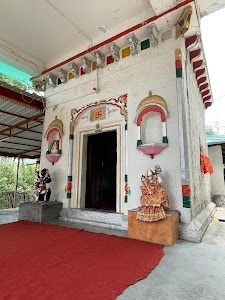
Ancient Shrine – This is a revered Hindu temple dedicated to Goddess Chintpurni Devi, a manifestation of Goddess Shakti. It is one of the Shakti Peeths, significant pilgrimage sites where body parts of Sati are believed to have fallen.
Why people come here
Spiritual Fulfillment – Devotees primarily visit to seek blessings from the goddess, believing she grants wishes and removes anxieties (Chinta means worry, Purni means fulfill). Many come for darshan (sacred viewing of the deity) and to offer prayers.
Spiritual or cultural significance
Shakti Peeth – The temple holds immense spiritual importance as one of the 51 Shakti Peeths. It is believed that the feet of Sati fell here. The presiding deity, Mata Chintpurni, is worshipped as a symbol of divine power and wish-fulfillment.
What to expect
Pilgrimage Atmosphere – You can expect a vibrant and devotional atmosphere, often with large crowds, especially during festivals. The temple complex is a place of worship, meditation, and spiritual reflection. There are usually queues for darshan, which can be long.
Best time to go
Festivals and Mornings – The temple is particularly busy during Navratri (March-April and September-October) and other Hindu festivals. For a less crowded experience, early mornings on weekdays are generally recommended. The weather is pleasant during spring (March-April) and autumn (September-November).
Practical info
Temple Etiquette – Visitors are expected to dress modestly, covering shoulders and knees. Photography inside the main sanctum is generally not permitted. Shoes must be removed before entering the temple, and there are designated shoe-keeping facilities. Offerings like sweets, coconuts, and red chunnis (scarves) are common.
Good to know
Offerings and Prasad – Many devotees offer prasad (blessed food) to the deity. There are shops around the temple selling items for offerings. Be mindful of vendors and guides, and negotiate prices if purchasing items. The temple also has facilities for performing various pujas and rituals.