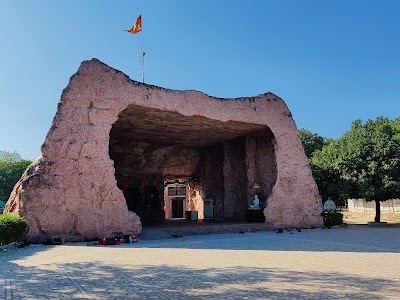
Ancient Cave Shrine – This is an ancient Hindu cave shrine located in the Indian Himalayas. It's renowned for a natural ice formation of a Shiva Lingam, which waxes and wanes with the moon's cycle. The temple is situated at a high altitude, making it one of the most challenging yet revered pilgrimage sites.
Spiritual or cultural significance
Divine Abode – For Hindus, this temple holds immense spiritual significance as it is believed to be one of the holiest shrines dedicated to Lord Shiva. The naturally formed ice Lingam is considered a divine manifestation, drawing devotees seeking spiritual merit and blessings. It's a key pilgrimage in Shaivism.
Why people come here
Pilgrimage & Devotion – People primarily undertake the arduous Amarnath Yatra, an annual pilgrimage, to seek blessings from Lord Shiva. It's a journey of deep faith, often considered a once-in-a-lifetime spiritual experience. Devotees come to witness the natural ice Lingam and offer prayers.
What to expect
Challenging Trek – Expect a physically demanding journey through rugged mountainous terrain at high altitudes. The atmosphere is deeply spiritual and devotional, with thousands of pilgrims undertaking the trek simultaneously during the season. Weather conditions can be unpredictable, requiring preparedness.
Visitor etiquette
Respectful Conduct – Modest clothing is essential, covering shoulders and knees. Photography inside the main cave is typically restricted to maintain sanctity. Pilgrims are expected to maintain silence and show reverence, especially within the shrine area. Follow all instructions from authorities for safety and order.
Best time to go
Pilgrimage Season – The temple is only accessible for a limited period, usually during the summer months of July and August. This specific window is when the snow melts sufficiently to allow passage, and the ice Lingam is most prominent. Visiting outside this period is generally not possible due to extreme weather.
Practical info
Permits & Routes – Access to the temple requires mandatory registration and permits due to the challenging terrain and security concerns. Pilgrims typically embark from two main routes: the longer, traditional path from Pahalgam or the shorter, steeper route from Baltal . Accommodation is basic, often in temporary camps.