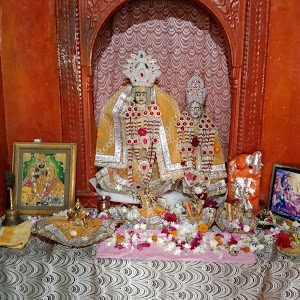
Hindu Temple – This is a Hindu temple dedicated to Lord Vishnu, revered as the preserver deity in the Hindu trinity. It serves as a significant place of worship and spiritual gathering for devotees.
Why people come here
Worship & Devotion – People typically visit this temple to offer prayers, perform religious rituals, and seek the blessings of Lord Vishnu. It is a place for spiritual solace and community engagement.
What to expect
Devotional Atmosphere – I find that visitors can expect a serene and devotional atmosphere here. The environment is generally conducive to quiet reflection and prayer, though it can become more vibrant during festivals or special prayer times.
Best time to go
Mornings & Evenings – The temple is often most active during the early mornings and evenings for daily prayers (aarti). Visiting during these times can offer a more immersive spiritual experience.
Practical info
General Access – Access to the temple is generally open to all. While specific timings may vary, temples in India typically operate from early morning until late evening. It’s always a good idea to check locally for precise hours.
Spiritual or cultural significance
Vaishnavite Faith – As a temple dedicated to Lord Vishnu, it holds deep spiritual significance for followers of the Vaishnavite tradition within Hinduism. It embodies devotion to the cosmic preserver and often features iconography and rituals central to this faith.
Visitor etiquette
Respectful Conduct – When visiting, I recommend dressing modestly, covering shoulders and knees, as a sign of respect. It is customary to remove your shoes before entering the main prayer hall. Maintaining a quiet demeanor and avoiding loud conversations is also appreciated.
Facilities for visitors
Basic Amenities – You can generally expect basic facilities such as an area for shoe storage. Parking might be available on the street or in a designated space nearby, depending on the temple's specific location and infrastructure.