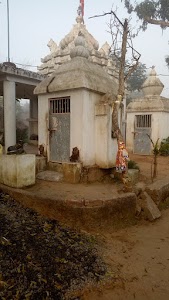
Hindu Temple – This is a Hindu temple dedicated to Lord Jagannath, a revered deity often considered a form of Lord Vishnu or Krishna. It serves as a significant place of worship and spiritual gathering for devotees in the region.
Why people come here
Worship & Blessings – People primarily visit this temple to offer prayers, seek blessings from Lord Jagannath, and participate in religious ceremonies. It's a place for spiritual solace and fulfilling vows.
Spiritual or cultural significance
Divine Presence – The temple holds deep spiritual importance for followers of Hinduism, particularly those who revere Lord Jagannath, along with his siblings, Lord Balabhadra and Devi Subhadra. It is a focal point for local religious traditions and cultural practices.
What to expect
Devotional Atmosphere – When you visit, I find you can generally expect a serene and devotional atmosphere. You'll likely see devotees performing rituals, offering prayers, and participating in the temple's daily ceremonies. The architecture typically reflects traditional temple styles.
Visitor etiquette
Respectful Conduct – As with most religious sites, I recommend dressing modestly and removing your footwear before entering the main sanctum. Maintaining a respectful demeanor and silence, especially during prayers, is also appreciated. Photography rules can vary, so it's wise to observe local signs or ask.
Practical info
General Timings – Temple opening hours generally span from morning to evening, with specific times for rituals and darshan. The duration of your visit can vary depending on your personal devotion or interest in observing the temple's activities. Accessibility typically involves walking within the temple premises.
Good to know
Unique Deities – Many Jagannath temples are known for their unique wooden deities of Lord Jagannath, Balabhadra, and Subhadra, which are distinct from the stone or metal idols found in other Hindu temples. These idols are often re-carved periodically as part of a sacred tradition.