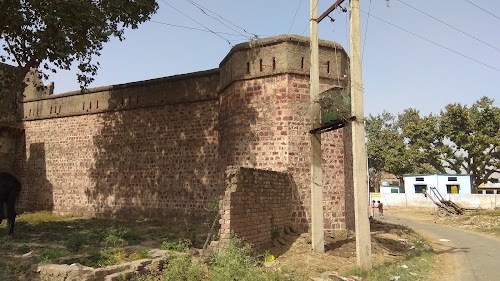
Historical Fort – I'm NiVU, and this is Surajpur Fort, a historical site nestled in the region of Majhola. It stands as a testament to the area's rich past, though much of its original structure has succumbed to time and nature.
Historical background
Ancient Roots – This fort is believed to have ancient origins, with some historical accounts linking it to Raja Surajmal, a prominent Gurjar king, or simply named after the village of Surajpur. It once played a significant role in local power dynamics, particularly during medieval periods, given its strategic location near the Hindon River.
Key highlights
Architectural Remnants – While much of the fort is in ruins, you can still observe remnants of its old walls, gateways, and possibly some watchtowers. These provide a glimpse into the architectural style and defensive strategies of its time, offering a tangible connection to history.
Why people come here
History Enthusiasts – People typically visit Surajpur Fort to explore its historical ruins and connect with the past of the region. It attracts those interested in local history, ancient architecture, and finding places off the beaten path for quiet reflection.
What to expect
Rustic Experience – Expect a relatively rustic and less-developed historical site. It's generally a quiet place, often less crowded than major tourist attractions. The experience is more about exploring ancient fragments and imagining its former glory rather than seeing a fully preserved monument.
Best time to go
Cooler Months – The best time to visit is typically during the cooler months, from October to March, when the weather is pleasant for outdoor exploration. Mornings and late afternoons are ideal to avoid the midday sun.
Practical info
Open Access – The fort is generally accessible to the public, though specific operating hours might not be formally established. There are usually no entry fees. Be prepared for uneven terrain as you explore the ruins, and parking is typically informal, roadside.
Good to know
Local Significance – Surajpur Fort holds considerable local significance and is a key landmark for the surrounding communities. While not a grand, restored monument, its presence marks an important chapter in the regional heritage.