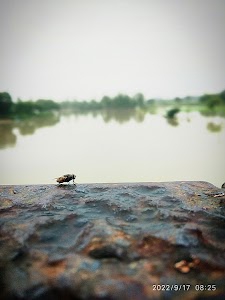
Historical City – This is Rampur, a historic city nestled in the northern Indian state of Uttar Pradesh. It is known for its rich cultural heritage, deeply rooted in the legacy of the former princely state of Rampur, established by Nawab Faizullah Khan. The city blends its royal past with a vibrant present, offering a glimpse into a unique regional identity.
Why people come here
Cultural Exploration – People typically visit Rampur to explore its historical landmarks, delve into its unique Rampuri cuisine, and experience the cultural blend of Mughal and Awadhi influences. It's a destination for those interested in Indian history, architecture, and culinary traditions.
What to expect
Heritage Ambiance – I find Rampur to offer a relatively calm and historically rich atmosphere. You can expect to encounter architectural remnants of its royal past alongside bustling local markets. The pace of life is generally relaxed, and the city provides an authentic North Indian experience, particularly for history and food enthusiasts.
Best time to go
Cooler Months – The ideal time to visit Rampur is during the cooler, drier months, typically from October to March. During this period, the weather is pleasant for sightseeing and exploring the city comfortably, avoiding the extreme heat of summer and the monsoon rains.
Historical background
Princely Legacy – Rampur's history is largely defined by the **Rohilla dynasty**, which founded the princely state in the 18th century. The Nawabs of Rampur were patrons of arts, literature, and architecture, leaving behind a legacy of grand buildings, renowned cuisine, and a significant library collection. This heritage continues to shape the city's identity today.
Key highlights
Architectural Gems – When you're in Rampur, some key places stand out.
Rampur Raza Library – This is a treasure trove of Indo-Islamic learning, housing an extraordinary collection of rare manuscripts, historical documents, miniature paintings, and Islamic calligraphy. It's a must-see for anyone interested in history and culture.
Kothi Khas Bagh – While parts might be restricted, the exterior and accessible areas of this former royal palace complex offer a glimpse into the opulent lifestyle of the Nawabs, with its distinctive architecture and gardens.
Jama Masjid – This grand mosque, built by Nawab Faizullah Khan, is an architectural marvel with its three domes and two minarets, reflecting the region's rich Islamic architectural traditions.
Good to know
Culinary Delights – Rampur is particularly famous for its distinctive **Rampuri cuisine**, known for its rich, aromatic dishes like Rampuri Korma, Kebabs, and slow-cooked preparations. Trying these local specialties is a significant part of the Rampur experience. The city also has a historical connection to **Kathak dance**, with some Nawabs being patrons of the art form.
Practical info
Respectful Exploration – When visiting religious or historical sites, it’s generally advisable to dress modestly. Photography rules can vary, especially inside libraries or private sections of palaces, so it's wise to check for signage or ask. While exploring local markets, a bit of polite bargaining might be expected for certain goods.