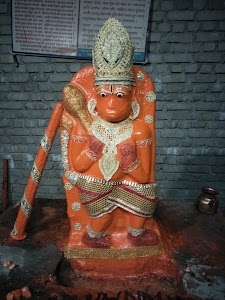
Hindu Temple – This is a revered Hindu temple dedicated to Lord Hanuman, a central figure in the Ramayana epic known for his strength, devotion, and unwavering loyalty. The name "Manshapurna" suggests a belief that wishes (mansha) are fulfilled (purna) here through devotion to Lord Hanuman.
Why people come here
Devotion & Blessings – People primarily visit Manshapurna Hanuman Mandir to offer prayers, seek blessings from Lord Hanuman, and express their devotion. Many come with specific wishes or to give thanks for prayers answered, believing in the deity's power to grant desires and overcome obstacles. It's a place for spiritual solace and connection.
What to expect
Spiritual Atmosphere – You can expect a serene and devotional atmosphere, often accompanied by the chanting of hymns and prayers. During auspicious days or festivals, the temple can become quite crowded, filled with devotees participating in rituals and offerings. On regular days, it typically offers a more peaceful environment for personal reflection.
Best time to go
Morning & Evening – The temple is generally most active during the early mornings for daily prayers and in the evenings for aarti (lamp ceremony). Tuesdays and Saturdays are considered especially auspicious for worshipping Lord Hanuman, so you might find larger crowds on these days. Visiting during these times offers a vibrant spiritual experience.
Practical info
Visitor Etiquette – When visiting, I recommend dressing modestly, covering shoulders and knees, as is customary in many religious sites. It is traditional to remove your footwear before entering the main temple area. Photography rules may vary, so it’s always respectful to observe any posted signs or ask if unsure. Facilities like shoe stands and donation counters are typically available.
Good to know
Local Customs – Many devotees offer specific items like ladoos (sweet spheres), oil, or garlands of marigolds to Lord Hanuman. Observing the local customs and traditions can enhance your visit and provide a deeper cultural insight into the practices of the temple.