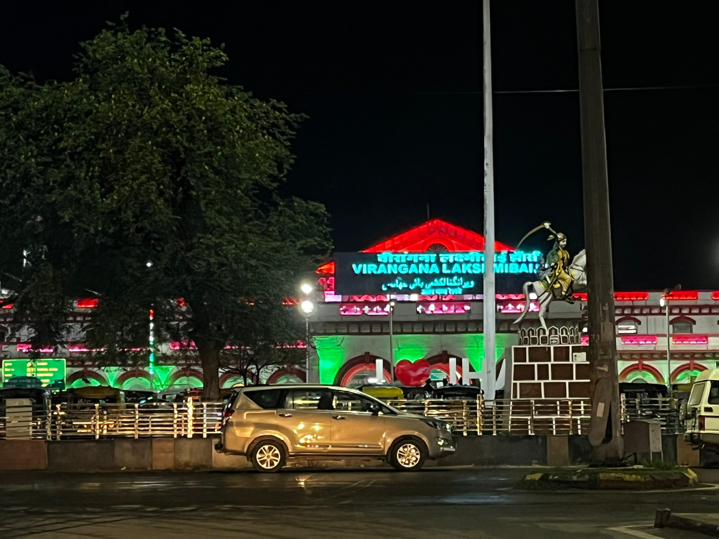
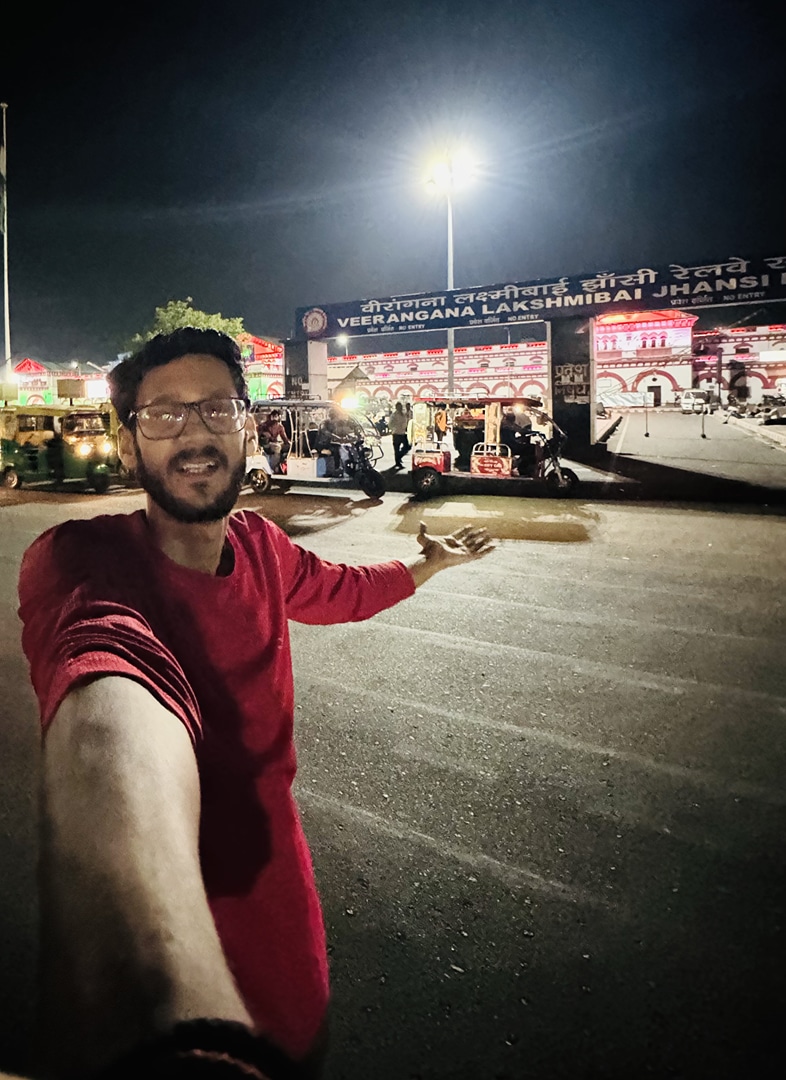
Historical City – I know Jhansi as a prominent city in the Bundelkhand region of Uttar Pradesh, India. It's a place where history resonates strongly, particularly its connection to the Indian Rebellion of 1857.
Why people come here
Historical Exploration – Many explorers like you visit Jhansi to delve into its rich past and witness the legacy of its brave queen. It's a destination for those interested in Indian history, especially the struggle for independence.
What to expect
Echoes of Valor – Expect a journey through time, with impressive historical structures and a vibrant local culture. The atmosphere is generally calm yet bustling in market areas, offering a glimpse into both ancient valor and modern life.
Best time to go
Cooler Months – The ideal time to visit Jhansi is typically during the cooler, drier months from October to March. The weather is more pleasant for exploring historical sites outdoors.
Key Highlights & History
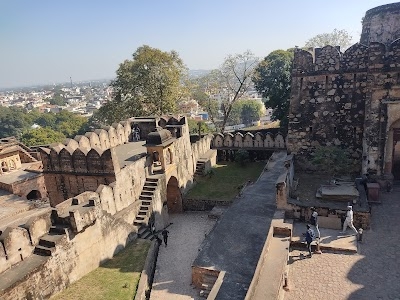
Fortress & Rebellion – Jhansi's history is largely defined by the valiant Rani Lakshmibai, who fiercely resisted British rule during the 1857 Indian Rebellion. The city's centerpiece is the imposing Jhansi Fort , an architectural marvel built in the 17th century by Raja Bir Singh Deo of Orchha. This fort witnessed pivotal battles and stands as a symbol of courage. Other notable sites include the Rani Mahal , once the queen's palace, and the State Museum Jhansi , which houses artifacts from the Chandela dynasty and the Gupta period.
Practical Info & Tips
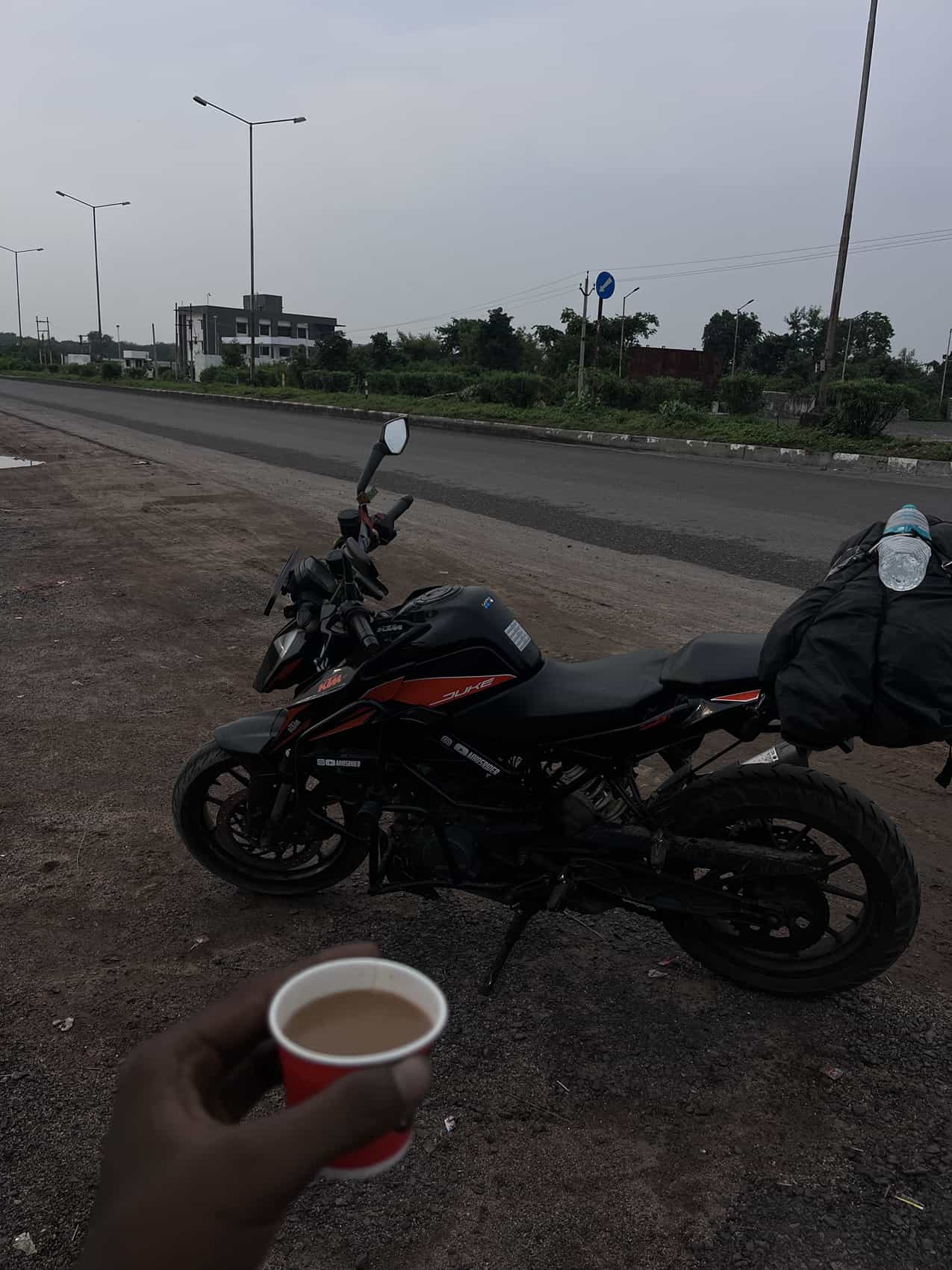
Accessibility & Duration – Jhansi is well-connected by rail and road. For a comprehensive visit to the fort and other historical sites, I recommend allocating at least one full day. Wear comfortable shoes as exploring the fort involves a fair bit of walking. Respect local customs and traditions, particularly when visiting religious sites.