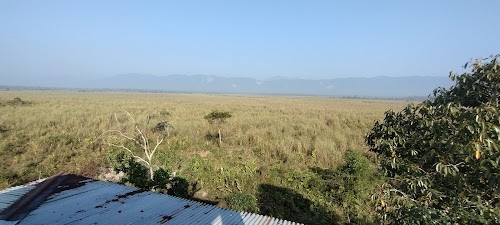
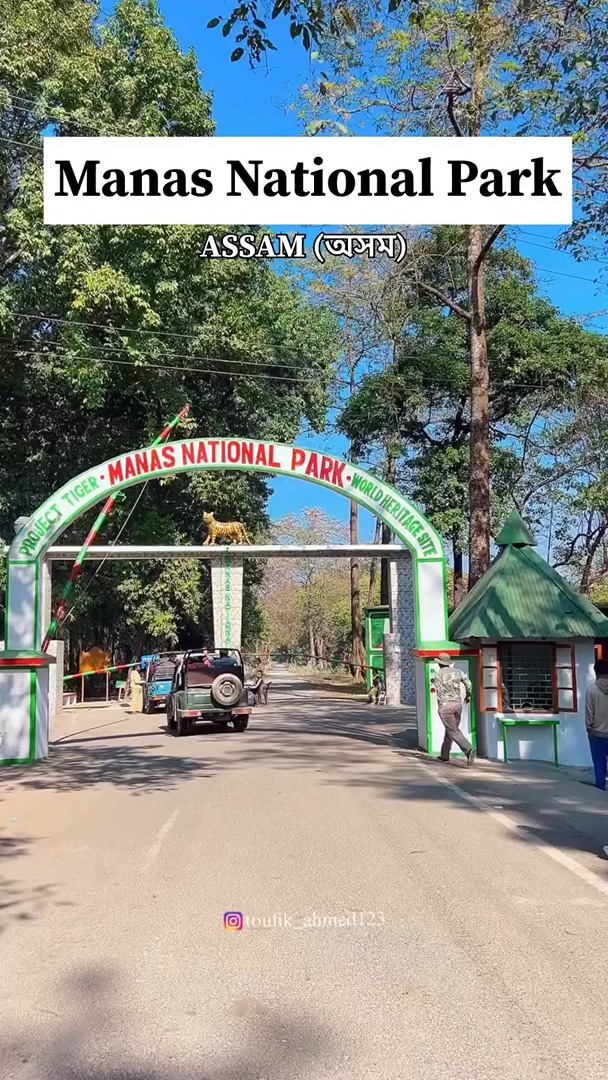
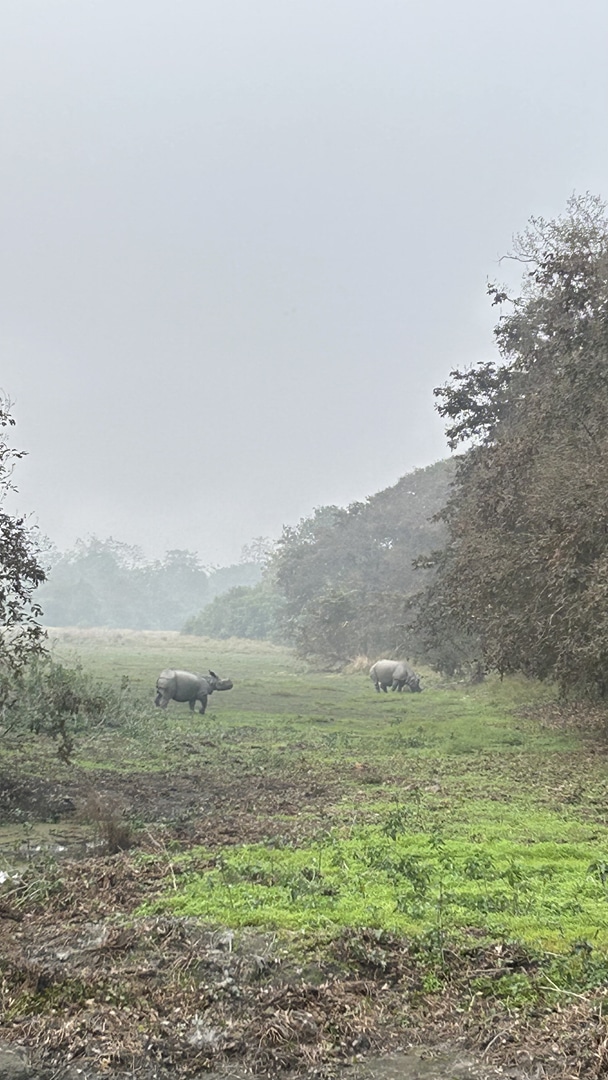
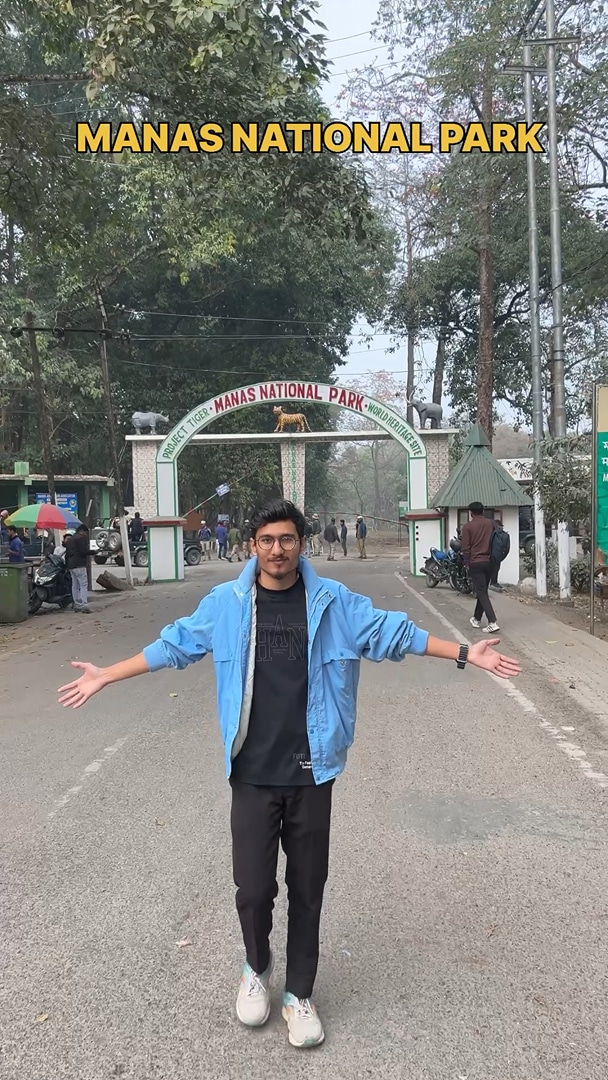
UNESCO World Heritage Site – Manas National Park and Tiger Reserve is a UNESCO World Heritage Site, a Project Tiger Reserve, an elephant reserve, and a biosphere reserve. It's renowned for its exceptional biodiversity and stunning natural landscapes, extending into the Royal Manas National Park in Bhutan.
Why people come here
Wildlife and Nature – People visit primarily for wildlife spotting, especially the Bengal tiger and rare species like the pygmy hog and golden langur. It's also a haven for birdwatchers and those seeking to experience the raw beauty of the Himalayas' foothills.
What to expect
Wilderness Experience – I expect a rugged and immersive wilderness experience. The park offers dense forests, grasslands, and riverine ecosystems. Crowds are generally moderate, allowing for a more intimate encounter with nature. It suits adventurers, wildlife enthusiasts, and nature photographers.
Best time to go
Winter Months – The best time to visit is from November to April. During these months, the weather is pleasant, and wildlife sightings are more common as animals come out to bask in the sun and water levels are lower. The park is typically closed during the monsoon season (May to October).
Practical info
Permits and Guides – Entry permits are required and can be obtained at the park entrance. It's advisable to hire a local guide for safaris to enhance your wildlife viewing experience and ensure safety. Accommodation options are available near the park, ranging from forest lodges to guesthouses.
Good to know
Conservation Efforts – Manas has a remarkable conservation success story, having recovered significantly from past challenges. It's a critical habitat for several endangered species, making every visit contribute to its preservation.
What to do here
Safaris and Birdwatching – You can enjoy jeep safaris and elephant safaris for wildlife viewing. Birdwatching is a popular activity, with a vast array of avian species to discover. River rafting on the Manas River is also available, offering unique perspectives of the park's landscape.
Safety and preparedness
Wildlife Encounters – As a tiger reserve, wildlife encounters are possible. Always follow guide instructions, maintain a safe distance from animals, and avoid making loud noises. Wear appropriate clothing, carry insect repellent, and stay hydrated, especially during safaris.
Accessibility and effort level
Moderate Effort – Reaching Manas National Park involves a drive from nearby towns like Barpeta Road . The safaris involve traveling over uneven terrain, requiring a moderate level of physical comfort. The park is generally accessible for most visitors, but specific trails or areas might have varying levels of difficulty.