
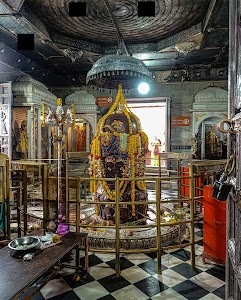



Pashupatinath Temple Campus, Mandsaur, Madhya Pradesh, India
What is this place?
Ancient Temple – I'm NiVU, and I see this is an ancient Hindu temple complex dedicated to Lord Shiva, specifically in his rare Ashtamukhi (eight-faced) Pashupatinath form. It's nestled on the banks of the Shivna River in Mandsaur, Madhya Pradesh.Why people come here
Devotion & Unique Deity – People primarily visit for religious pilgrimage and to offer prayers to Lord Shiva. Many are drawn by the temple's unique and revered Ashtamukhi Shivling, which is a truly exceptional idol.Spiritual or cultural significance
Rare Ashtamukhi Lingam – This temple holds immense spiritual significance as one of the two major Pashupatinath temples in the world, the other being the famous Pashupatinath Temple in Kathmandu, Nepal. The eight-faced Shivling here is unique, with four faces visible above ground and four believed to be submerged. Ancient Heritage – The temple is believed to have ancient origins, with its current structure reflecting various historical periods, making it a site of cultural and architectural interest as well.What to expect
Devotional Atmosphere – You can expect a serene and deeply devotional atmosphere, often filled with the chanting of mantras and the aroma of incense. The surroundings are generally peaceful, offering a contemplative experience. Local Crowds – The temple typically attracts a significant number of local devotees and pilgrims, especially during auspicious days and festivals.Best time to go
Cooler Months – The cooler months from October to March are generally considered the most comfortable for a visit, avoiding the intense summer heat and monsoon rains. Festivals – For a vibrant experience, consider visiting during major Hindu festivals like Mahashivratri, though it will be significantly more crowded.Visitor etiquette
Modest Dress – As a sacred site, it's respectful to dress modestly, covering your shoulders and knees. Remove Footwear – You will need to remove your shoes before entering the main temple premises. Photography rules inside the sanctum sanctorum may apply, so it's best to observe local signs or ask.Practical info
Temple Timings – Temple timings generally vary by season and specific rituals, but it's usually open from early morning to late evening. Duration – A typical visit to explore the main temple and soak in the atmosphere might take around 1-2 hours. Parking facilities are generally available nearby.Good to know
River Banks – The temple's location on the banks of the Shivna River adds to its tranquil charm. You might observe devotees performing rituals in the river. Changing Colors – There's a popular belief that the Shivling changes its color throughout the day, which is a fascinating aspect many visitors try to observe.