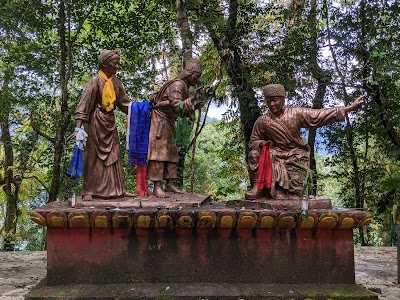
Historical Landmark – Kabi Lungchok is a significant historical site located in North Sikkim, India. It commemorates the historic "Blood Brotherhood Treaty" between the Lepcha chief Thekong Tek and the Bhutia chief Khey Bum Sar, an event that laid the foundation for the peaceful co-existence of these communities in Sikkim.
Historical background
Foundational Treaty – This site marks the spot where, in the early 13th century, the two tribal chiefs swore an oath of eternal friendship and brotherhood. This treaty is considered a pivotal moment in Sikkim's history, establishing a framework for unity and mutual respect among its diverse inhabitants.
Why people come here
Historical Insight – Visitors typically come to Kabi Lungchok to connect with a crucial part of Sikkim's heritage. It offers a chance to reflect on the historical accord that shaped the region's cultural fabric and to appreciate the enduring message of peace and unity.
What to expect
Peaceful Reflection – Here, I expect a serene and respectful atmosphere. You’ll find a stone pillar commemorating the treaty, surrounded by lush forest. It’s a place for quiet contemplation rather than bustling activity, offering a glimpse into the historical roots of Sikkim’s harmony.
Key highlights
Memorial Stone – The central feature is the ancient stone pillar, inscribed with details of the treaty, standing as a tangible reminder of the historic event. The surrounding dense forest and the tranquil environment also contribute to the site's unique appeal.
Practical info
Easy Access – The site is generally accessible by road, located near the village of Kabi. A visit typically involves a short walk from the road to the memorial. There are no extensive facilities, so it's advisable to carry essentials. Respectful behavior is expected at all times.
Good to know
Cultural Symbol – Kabi Lungchok is more than just a historical marker; it stands as a powerful symbol of ethnic harmony and peaceful coexistence in Sikkim. Understanding its significance enriches the experience of exploring the region's unique cultural identity.