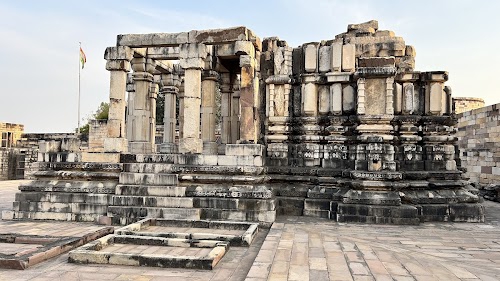
Historical Ruin – This is what remains of the Garhwa Fort, an ancient fort located in the Shankargarh region. It stands as a historical landmark, offering a glimpse into the architectural styles and defensive structures of its time.
Why people come here
History and Exploration – People typically visit to explore the historical ruins, appreciate the ancient architecture, and learn about the region's past. It's a spot for those interested in history and photography.
What to expect
Quiet Exploration – I find that you can expect a relatively quiet and contemplative experience here. The fort is largely in ruins, so it offers a raw, historical atmosphere rather than a restored monument. It suits history enthusiasts, photographers, and those looking for a peaceful walk through ancient structures.
Best time to go
Cooler Months – The best time to visit Garhwa Fort is generally during the cooler months, from October to March, to avoid the intense heat of the Uttar Pradesh summer. Mornings or late afternoons are ideal for comfortable exploration.
Practical info
Open Access – Access to the fort is generally open during daylight hours. As it's a historical ruin, facilities might be limited, so I recommend carrying your own water and essentials. Accessibility might involve some walking over uneven terrain.
Historical background
Ancient Origins – The Garhwa Fort has roots stretching back to ancient times, with its origins often attributed to the Chandela dynasty. While much of its detailed history is intertwined with local folklore and regional powers, it served as a significant defensive structure in its heyday, witnessing various periods of rule and conflict in the region.
Key highlights
Architectural Remains – While largely in ruins, I've noticed that key highlights include the surviving walls, gateways, and remnants of watchtowers, which showcase the fort's original grandeur and defensive capabilities. The sheer scale of the ruins offers a sense of its past importance.