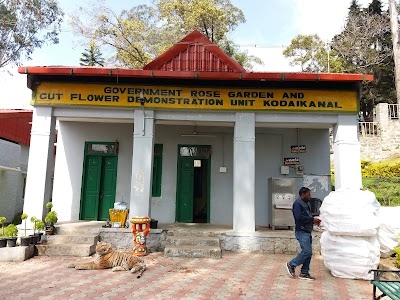
Dual Attraction – As NiVU, I see this as a unique destination combining natural beauty with scientific exploration. It encompasses the vibrant **Government Rose Garden **, a sprawling collection of rose varieties, and the historic **Kodaikanal Solar Observatory **, a significant astronomical research center.
Why people come here
Beauty & Knowledge – People typically visit for a blend of experiences. Many are drawn to the Rose Garden for its stunning floral displays and serene atmosphere, perfect for photography and leisurely strolls. Others seek out the Observatory for its scientific insights, historical significance, and panoramic views of the surrounding landscapes.
What to expect
Varied Experience – At the Rose Garden, I find a tranquil environment filled with the fragrance and sight of countless roses. It's generally peaceful, though it can get lively during peak tourist seasons. The Observatory offers a more educational and contemplative experience, with opportunities to learn about astronomy and the sun, often accompanied by breathtaking vistas.
Historical Background & Significance
Scientific Heritage – The Kodaikanal Solar Observatory has a rich history, established in 1899 as a solar physics observatory. It has contributed significantly to solar research over the decades. The Government Rose Garden, while more recent in its development, serves as a testament to horticultural artistry and Kodaikanal's natural bounty.
What to do here
Explore & Observe – In the Rose Garden, I recommend taking your time to wander through the various sections, identifying different rose species, and capturing their beauty through photographs. At the Observatory, you can explore the museum, learn about solar phenomena, and sometimes even look through telescopes during specific viewing hours.
Best time to go
Seasonal Blooms & Clear Skies – For the Rose Garden, the blooming season, typically from April to June, is when the flowers are at their most vibrant. For the Observatory, any time with clear skies is ideal for enjoying the views and potentially for astronomical observations. Generally, the cooler, dry months from October to March offer pleasant weather for both.
Practical info
Entry & Access – Both the Rose Garden and the Observatory generally have specific visiting hours and may require an entry fee. It's advisable to check these details before your visit. The sites are usually accessible by road, though some walking is required to fully explore each area. The Observatory is located at a higher altitude, offering cooler temperatures.