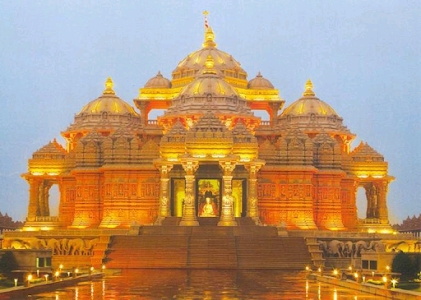
Hindu Temple – This is a Hindu temple dedicated to Lord Shiva, located in Gaur. It serves as a place of worship and spiritual reflection for devotees.
Why people come here
Worship & Devotion – People typically visit Shiv Mandir to offer prayers, perform rituals, seek blessings from Lord Shiva, and participate in religious ceremonies. It is a place for spiritual solace and community gathering.
What to expect
Peaceful Atmosphere – I expect a generally peaceful and reverent atmosphere here. You might encounter devotees performing aarti, offering flowers and water to the deity, and chanting prayers. The environment is usually conducive to quiet contemplation.
Spiritual or cultural significance
Lord Shiva – As a Shiv Mandir, it holds significant religious importance for followers of Hinduism, particularly those who revere Lord Shiva as one of the principal deities of the Trimurti. Temples like this are central to local spiritual life and cultural practices.
Visitor etiquette
Respectful Conduct – When visiting, it's generally expected to dress modestly, covering shoulders and knees. Photography rules can vary, so it's always good to observe signs or ask if unsure. Maintaining a respectful silence, especially within the sanctum, is appreciated. Removing footwear before entering the main temple area is a common practice.
Practical info
General Access – Access to Shiv Mandir is typically open to all. While specific timings may vary, temples often have morning and evening prayer times. It's advisable to check locally for the most accurate visiting hours.
Good to know
Community Hub – Many Shiv Mandirs also serve as community hubs, especially during festivals dedicated to Lord Shiva, such as Maha Shivaratri. During these times, the temple can become quite vibrant and crowded.