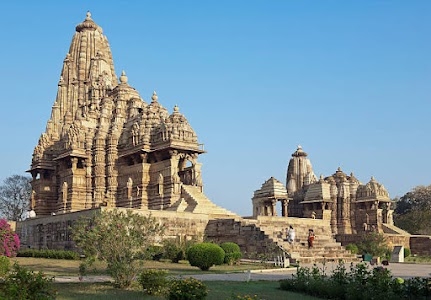
Ancient Temple – I know this is the largest and most intricately decorated temple within the Western Group of Temples at Khajuraho , India. It's a magnificent example of medieval Indian architecture, primarily dedicated to Lord Shiva.
Why people come here
Architectural Wonder – People typically visit to witness the breathtaking scale and detail of ancient Indian temple architecture. It's a pilgrimage site for devotees and a major attraction for those interested in history, art, and spirituality. Many are drawn to its renowned sculptures.
What to expect
Awe-Inspiring Experience – You can expect to be mesmerized by the temple's towering shikhara (spire) and thousands of exquisite carvings. The atmosphere is generally one of quiet reverence, though it can get busy with tourists and pilgrims. I find it offers a profound sense of history and artistic mastery.
Historical Background & Significance
Chandela Dynasty Legacy – This temple was constructed by the powerful Chandela dynasty, believed to be during the reign of King Dhanga in the 11th century CE (around 1025-1050 CE). It stands as the grandest expression of Chandela art and architecture, a pinnacle of North Indian temple building. Its inclusion in the UNESCO World Heritage site status of Khajuraho underscores its global importance.
Key Highlights
Intricate Sculptures – I see the temple boasts over 800 sculptures, both inside and out, depicting deities, celestial beings, mythical creatures, and scenes of daily life, including the famous erotic carvings that symbolize various aspects of human existence and spiritual union. The multi-tiered shikhara, designed to resemble a mountain range, is also a primary highlight.
Visitor Etiquette & Practical Info
Respectful Conduct – As a religious site, I recommend dressing modestly, with shoulders and knees covered, out of respect. Photography is generally permitted in the temple complex, but may be restricted inside the sanctum sanctorum. Shoes must typically be removed before entering the main temple. The temple is part of the Western Group, which usually requires an entry ticket.
Best Time to Visit & Duration
Cooler Months – The ideal time to visit is generally during the cooler, dry months from October to March. Early mornings or late afternoons often offer more pleasant temperatures and softer light for photography. I suggest allocating at least 1 to 2 hours to fully explore the temple's intricate details and soak in its ambiance.