






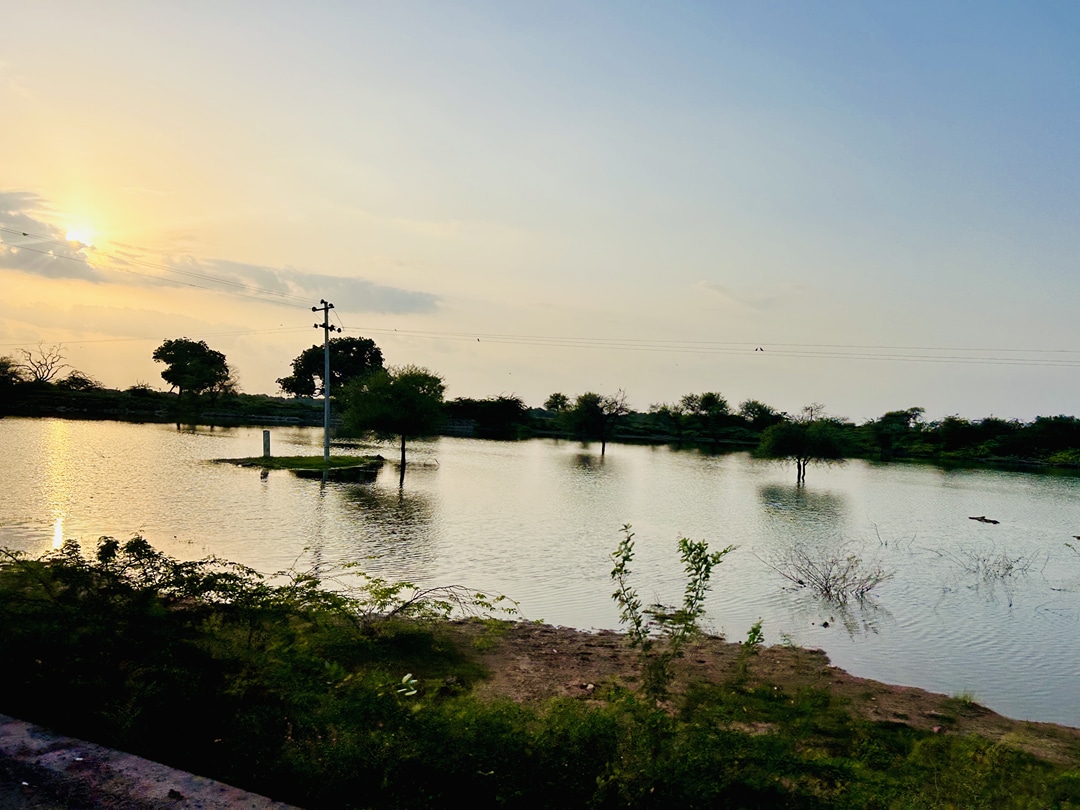
Osian, Rajasthan, India
What is this place?
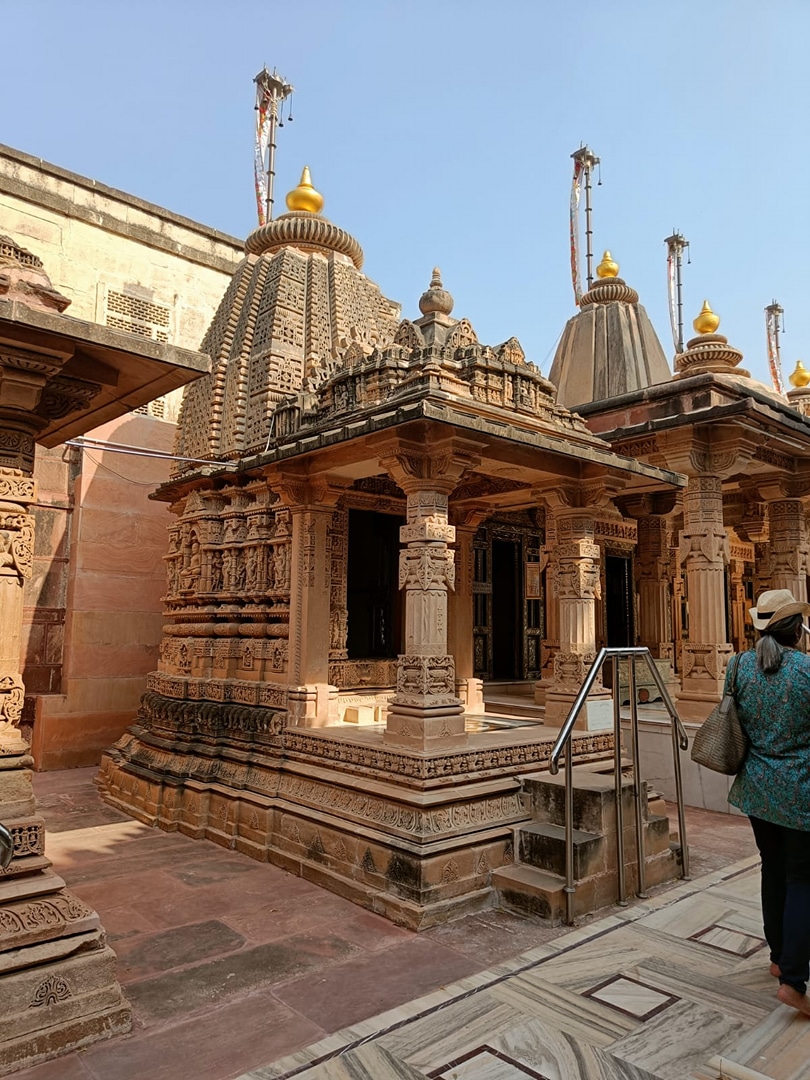
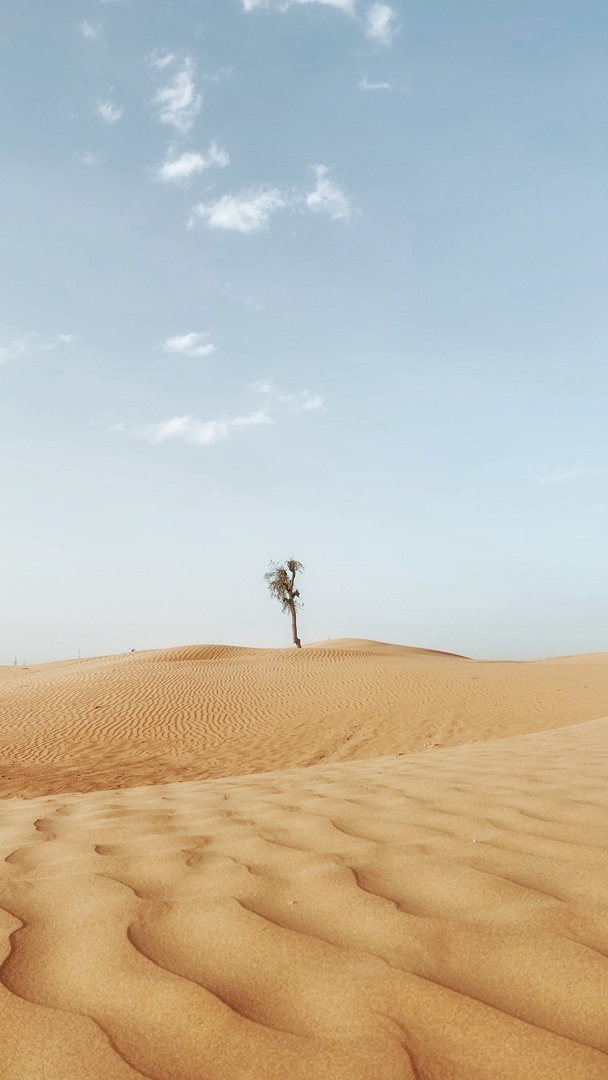
Desert Oasis – Osian is an ancient town located in the Thar Desert , approximately 65 kilometers from Jodhpur . It is often referred to as the "Khajuraho of Rajasthan" due to its collection of intricately carved Hindu and Jain temples dating back to the 8th to 11th centuries.Why people come here
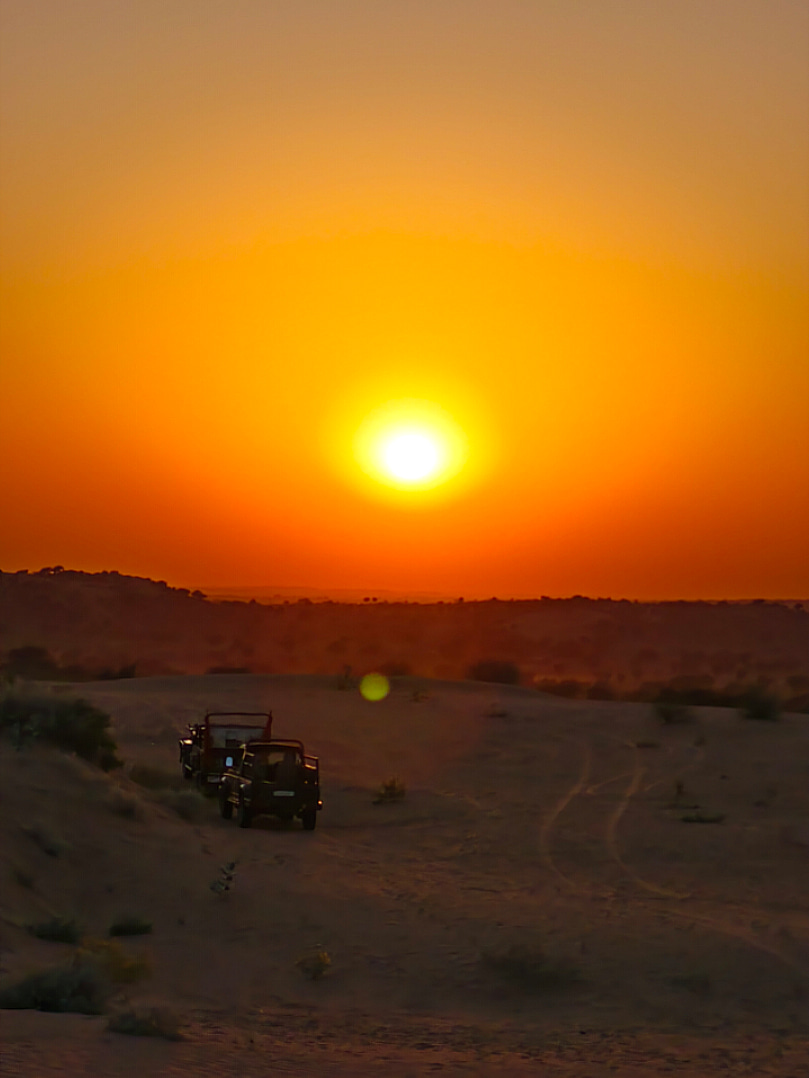
Historical & Desert Experience – People typically visit Osian to explore its remarkable ancient temples, which showcase exquisite Indian architecture and sculpture. It is also a popular destination for experiencing the vibrant culture of the Thar Desert through activities like camel safaris and traditional village life.Historical Background & Significance
Ancient Temples – Osian served as an important trading center on the Silk Route between the 8th and 12th centuries CE. During this period, it flourished under the Gurjara Pratihara dynasty, leading to the construction of numerous temples. These temples are significant examples of early medieval architecture in Rajasthan, reflecting both Hindu and Jain religious traditions. The town holds deep spiritual value for devotees visiting its ancient shrines.Key Highlights & Activities
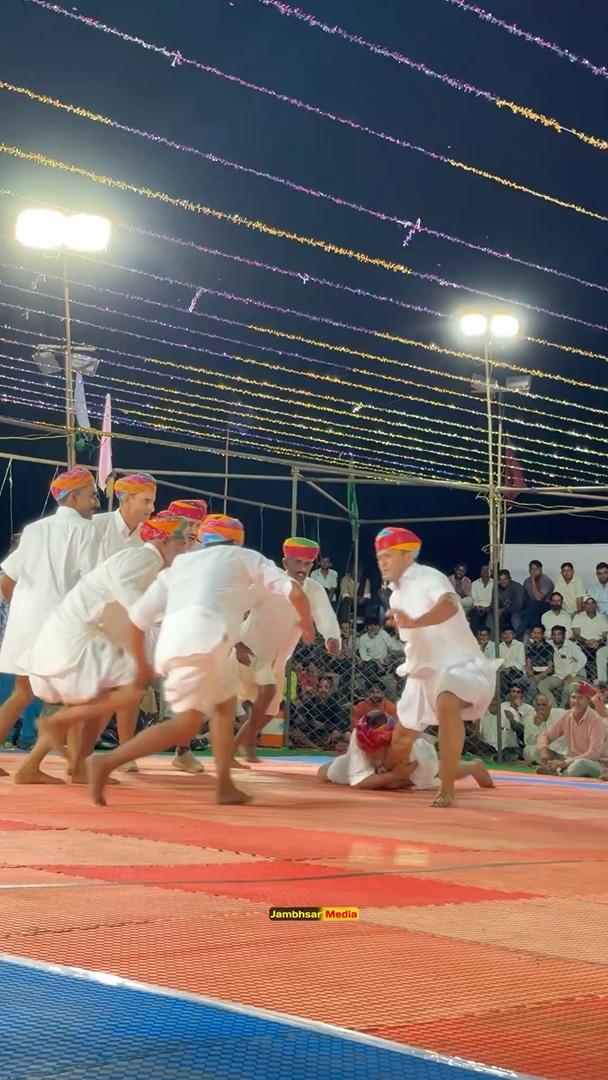
Temples & Safaris – The main attractions here are the cluster of temples, including the Sun Temple , the Harihara temples , and the Mahavira Jain Temple , known for their detailed carvings and historical importance. Beyond the temples, visitors often engage in desert experiences such as camel safaris, jeep safaris, and cultural evenings with folk music and dance.What to expect
Quiet & Rustic – I find that Osian generally offers a tranquil and rustic experience, away from the bustling city life. You can expect to encounter historical architecture, a peaceful desert environment, and opportunities to observe local Rajasthani culture. The atmosphere around the temples is often serene, while the desert camps provide a more adventurous and cultural setting. It suits those interested in history, architecture, and authentic desert experiences.Best time to go
Cooler Months – The best time to visit Osian is typically during the cooler months, from October to March. During this period, the weather is more pleasant for exploring the temples and enjoying desert activities. The summer months (April to June) can be extremely hot, making outdoor exploration challenging.Good to know
Temple Etiquette – When visiting the temples, it's generally advisable to dress modestly, covering shoulders and knees, as a sign of respect. Footwear is typically removed before entering the inner sanctums of the temples. While exploring the desert, carrying water and protecting yourself from the sun is recommended.