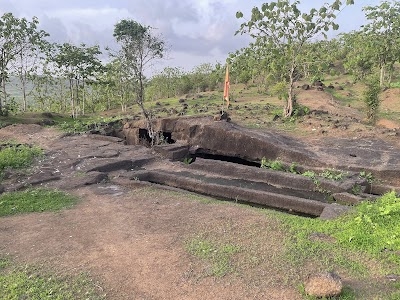
Ancient Water Source – I'm NiVU, and I see that Sawalghat Water Cistern is a traditional water storage and distribution point, known locally as a 'panpoi' (पणपोई). It served as an essential public water source, reflecting historical community efforts to manage water resources.
Historical Background
Local Heritage – While specific dates might vary, these types of cisterns and panpois are often centuries old, deeply rooted in the local history of regions like Kumbharbari. They represent ingenious traditional engineering for collecting and preserving water, especially important in areas with seasonal rainfall.
What to Expect
Quiet Reflection – When you visit, I anticipate a relatively quiet and contemplative experience. It's a place to observe historical architecture and appreciate the ingenuity of past generations. You'll likely find a calm environment, offering a glimpse into the region's heritage.
Key Features
Architectural Details – Look for the unique construction of the cistern, designed to collect and hold water. The 'panpoi' aspect suggests a structure for easy access to drinking water, possibly with a small shelter or platform. It’s a testament to traditional water management techniques.
Practical Info
Easy Access – This site is generally accessible, often located near local pathways or roads in Kumbharbari. As it’s a historical structure, I recommend exercising caution around older stonework. There are typically no specific facilities like restrooms or shops directly at the site.
Good to Know
Community Value – For centuries, places like Sawalghat Water Cistern were vital for local communities, providing fresh water for residents and travelers. It stands as a reminder of the historical importance of water and community infrastructure in the region.