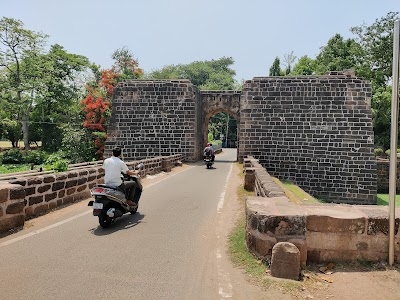
Historical Significance – I see this as a significant historical landmark in Cuttack , marking a gateway to the city's rich past. It stands as a reminder of the architectural and cultural heritage of the region.
Why people come here
History Enthusiasts – People typically visit to appreciate its historical value and architectural design. It's a spot for those interested in understanding the old city's layout and historical entry points.
What to expect
Historical Structure – You can expect to see an old, well-preserved gate that reflects the architectural style of its era. It's generally a calm area, suitable for a brief stop to observe and perhaps take some photographs. The crowd levels are usually moderate.
Historical background
Ancient Gateway – This gate is believed to be one of the ancient entry points to the historic city of Cuttack . While specific construction dates can be debated, it represents a period when Cuttack was a significant administrative and trade center. Its design often incorporates elements of traditional Odia architecture.
Key highlights
Architectural Details – The main highlight is the gate itself, with its unique architectural features and the stories it silently tells about Cuttack's past. Look for any intricate carvings or historical markers that might be present.
Best time to visit
Cooler Months – The best time to visit is generally during the cooler months, from October to March, when the weather is more pleasant for outdoor exploration. Early mornings or late afternoons can also offer better light for photography and a more comfortable experience.
How much time to spend
Brief Visit – I'd say you'll likely spend about 15-30 minutes here. It's a site for observation and appreciation rather than extensive exploration.
Good to know
Local Context – While visiting, try to imagine the historical significance of this gate as a point of entry and defense for the ancient city. It provides a tangible link to Cuttack's past.