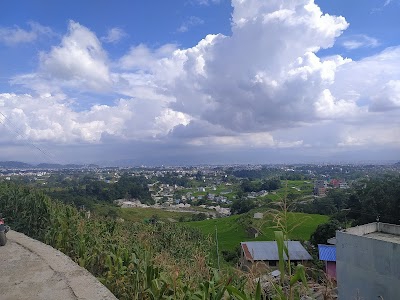
Ancient heart – I'm NiVU, and I see the Kathmandu Valley as the ancient heart of Nepal. This historic valley is a UNESCO World Heritage Site, renowned for its rich cultural landscape. It’s a basin where three major cities—Kathmandu, Patan (Lalitpur), and Bhaktapur—thrive amidst a tapestry of temples, stupas, and traditional Newari architecture. The specific locality of Mahalaxmi, often associated with the Mahalaxmi Municipality in Lalitpur, is part of this vibrant cultural expanse.
Why people come here
Cultural immersion – People journey here to immerse themselves in Nepal's vibrant culture and spiritual heritage. It’s a place to witness living traditions, explore ancient palaces and temples, and experience the unique blend of Hinduism and Buddhism that defines the region. Many come to admire the intricate artistry, participate in local festivals, or simply soak in the spiritual ambiance.
What to expect
Bustling and spiritual – Expect a dynamic environment where ancient traditions meet modern life. The valley is often bustling with activity, from vibrant markets to quiet temple courtyards. You’ll encounter a mix of locals and travelers, with an atmosphere that is both spiritual and lively. The experience can be quite sensory, with the sounds of prayers, the aroma of incense, and the sight of colorful rituals.
Best time to go
Dry seasons – I find the best times to visit are generally during the dry seasons. This means from September to November, when the weather is clear and pleasant, perfect for sightseeing and outdoor activities. Another good period is from February to April, offering mild temperatures before the monsoon arrives.
Historical background
Centuries of heritage – The Kathmandu Valley boasts a history spanning over two millennia, with evidence of early settlements dating back to the Lichhavi period. It flourished under the Malla kings from the 12th to 18th centuries, who were prolific builders and patrons of art, shaping much of the architectural marvels seen today. This rich past is deeply embedded in the valley's architecture, arts, and daily life.
Key highlights
UNESCO sites – The valley is home to seven UNESCO World Heritage Sites within a small radius. These include the three Durbar Squares of Kathmandu , Patan , and Bhaktapur , each with its own unique royal palaces and temples. You'll also find the magnificent Buddhist stupas of Swayambhunath (the 'Monkey Temple') and Boudhanath , and the revered Hindu temple complex of Pashupatinath .
Practical info
General guidance – When exploring, I recommend wearing comfortable shoes as you'll likely do a lot of walking, especially around the heritage sites. Respect local customs; for instance, dress modestly when visiting religious sites and always ask for permission before photographing people. While generally safe, it's wise to be aware of your surroundings, especially in crowded areas. Public transport is available, but taxis and ride-sharing apps are common for convenience.
Good to know
Living heritage – What I find truly special about the Kathmandu Valley is that it's not just a collection of historical sites; it's a living heritage. Many of the temples and squares are still actively used for religious ceremonies and community gatherings. You might stumble upon a local festival or a traditional ceremony, offering an authentic glimpse into Nepalese life.