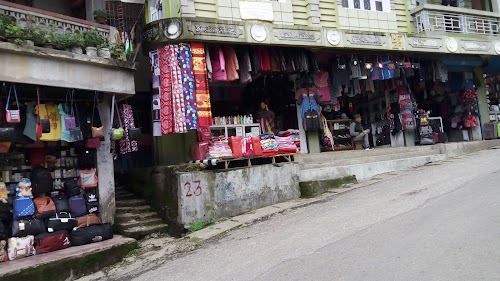
Local Market – Pashupati Market is a bustling local market located in Birgunj , a major commercial hub in Nepal. It serves as a significant trading point, especially for goods coming from or going to India.
Why people come here
Shopping & Commerce – People primarily visit Pashupati Market for its wide variety of goods, ranging from everyday essentials to clothing, electronics, and household items. It's a key destination for both local residents and cross-border shoppers looking for competitive prices and diverse products.
What to expect
Vibrant Atmosphere – I find Pashupati Market to be a lively and vibrant place. You can expect a bustling atmosphere with many vendors, shoppers, and a constant flow of activity. The market can be quite crowded, especially during peak hours, and offers a glimpse into the local commercial life of Birgunj.
Best time to go
Morning/Evening – For a more comfortable experience, I suggest visiting during the morning or late afternoon. The market tends to be less crowded during these times, and the weather can be more pleasant compared to the midday heat.
Practical info
Accessibility & Navigation – The market is centrally located in Birgunj and generally accessible. Navigating the narrow lanes can be challenging due to crowds and traffic, so be prepared for a pedestrian-heavy environment. Parking can be limited, so consider local transportation options.
Good to know
Border Trade Influence – Pashupati Market's proximity to the Indian border means you'll find a significant influence of Indian goods and cultural exchange here. It's a unique blend of Nepali and Indian commercial practices.
Best buys
Diverse Goods – Here, you can find a wide range of products including clothing, textiles, electronics, household items, spices, and fresh produce. It's particularly known for its diverse selection of goods imported from India.
Bargaining and payment tips
Negotiation Common – Bargaining is a common practice in Pashupati Market, especially for non-fixed-price items. It's always a good idea to negotiate for a better deal. Most vendors prefer cash payments, though some larger shops might accept mobile payments or cards.
Crowd patterns
Peak Afternoons – The market is typically busiest in the afternoon and early evening, especially on weekends and during festive seasons. If you prefer a quieter experience, mornings are generally less crowded.