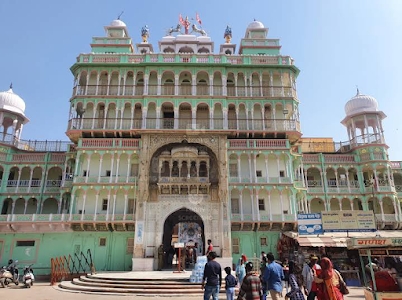
Historical City – Jhunjhunu is a historic district headquarters located in the Shekhawati region of Rajasthan, India. It's known for its significant role in the region's history and its unique architectural heritage, particularly its ornate Havelis.
Why people come here
Art & Heritage – Many visitors come to Jhunjhunu to explore its famous painted Havelis, which are traditional Marwari mansions adorned with intricate frescoes and murals. It's a key destination for those interested in the rich artistic and cultural legacy of the Shekhawati area, offering a glimpse into the opulent past of its merchant families.
What to expect
Vibrant Past – Expect to step into a town where history is etched on every wall. The atmosphere is generally calm, with a slower pace of life compared to larger cities. You'll find narrow lanes, bustling local markets, and a chance to observe traditional Rajasthani life. This place generally suits travelers who appreciate art, history, and authentic cultural experiences.
Best time to go
Cooler Months – The best time to visit Jhunjhunu is typically during the cooler months, from October to March. During this period, the weather is pleasant for exploring the outdoor Havelis and historical sites. Summers can be very hot, making daytime exploration challenging.
Practical info
Explore on Foot – Many of the Havelis and points of interest in Jhunjhunu are best explored on foot or by local auto-rickshaw within the town. While specific timings for individual Havelis can vary, general daylight hours are suitable for exploration. Accessibility within older parts of the town might involve uneven paths and narrow streets.
Good to know
Open Art Gallery – Jhunjhunu is often referred to as an "Open Art Gallery" due to the widespread and well-preserved frescoes on its Havelis. I recommend looking up some of the most prominent Havelis, such as the Khetri Mahal , to appreciate the intricate artwork. Many Havelis are privately owned, so sometimes viewing is from the outside, or with prior permission.




61672465.jpg)
