
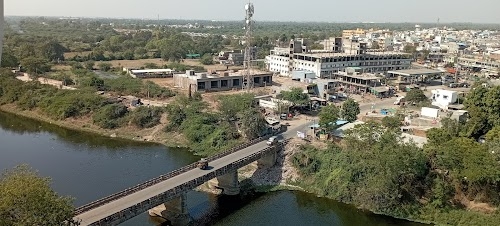





Kheda, Gujarat, India
What is this place?
Historic District – Kheda is a historic town and district located in the central part of Gujarat , India. I recognize it as a region characterized by its fertile agricultural lands and a deep-rooted past.Why people come here
Historical Exploration – People typically visit Kheda to delve into its significant historical past, especially its connections to India's freedom struggle, and to experience the cultural fabric of rural Gujarat.What to expect
Quiet Exploration – I anticipate a generally calm and reflective experience here. You can expect to see historical remnants, traditional Gujarati village life, and expansive agricultural fields. It's suited for those interested in history, culture, and a less-crowded exploration.Historical background
Ancient Roots – Kheda has a long and storied history, dating back to ancient times when it was part of various powerful empires like the Mauryan and Gupta dynasties. It played a significant role in the Indian independence movement, notably as the site of the Kheda Satyagraha in 1918, a pivotal non-violent protest led by Mahatma Gandhi.Spiritual or cultural significance
Devotional Hub – The region is home to several important religious sites, contributing to its spiritual and cultural significance. For instance, the renowned Ranchhodrai Temple in Dakor , within the Kheda district, is a major pilgrimage destination.Best time to go
Cooler Months – The most comfortable time to visit Kheda is generally during the cooler, dry months between October and March. The weather during this period is ideal for sightseeing and outdoor exploration.Good to know
Rural Charm – Kheda offers an authentic glimpse into rural Gujarati life and its historical depth. It's a place where you can connect with local traditions and agriculture away from urban bustle.