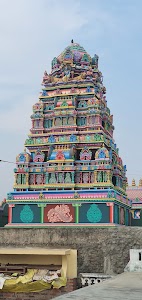
Temple – This is the Nepali Temple, a distinctive Hindu temple located in Tulsi Nagar, Ayodhya. It stands out due to its unique architectural style, which reflects traditional Nepalese temple design.
Why people come here
Devotion & Culture – People typically visit this temple for religious devotion and to experience its unique cultural blend. It offers a glimpse into Nepalese architectural traditions within the sacred city of Ayodhya.
Spiritual or cultural significance
Nepalese Connection – The temple holds spiritual significance for devotees and cultural importance due to its strong connection to Nepal. Its architecture is a testament to the cultural ties between India and Nepal, offering a different visual and spiritual experience compared to other temples in Ayodhya.
What to expect
Peaceful Atmosphere – I find a generally peaceful and serene atmosphere here. You can expect to see devotees offering prayers and appreciating the intricate woodwork and pagoda-style structure, which is quite different from the typical North Indian temple architecture.
Visitor etiquette
Respectful Conduct – As with any religious site, I recommend dressing modestly and removing your footwear before entering the main shrine. Maintaining a respectful demeanor and silence is appreciated, especially during prayer times. Photography policies may vary, so it's always good to observe local signs or ask.
Practical info
Visiting Hours – The temple is generally open for visitors during daylight hours, typically from morning to evening. A visit usually takes a short duration, perhaps 30 minutes to an hour, allowing time for prayer and appreciation of its architecture. Accessibility is generally straightforward within Tulsi Nagar.
Good to know
Architectural Marvel – This temple is often noted for its striking Nepalese pagoda-style architecture, which makes it a unique landmark in Ayodhya. It offers a different aesthetic experience compared to the more common Nagara style temples found elsewhere in the region.