Palam - Dabri Marg, Kali Nagar, Block R, Mahavir Enclave Part 1, Mahavir Enclave, New Delhi, Delhi, India
Sulabh International Museum Of Toilets
Explurge-Ins
7
Ratings (8.1K)
4.3
Distance
-
Sulabh International Museum Of Toilets
What is this place?
Unique Museum – This is a one-of-a-kind museum dedicated to the global history of sanitation and toilets. I find it fascinating how it showcases the evolution of toilet technology and hygiene practices from ancient civilizations to modern times, making a typically mundane subject surprisingly engaging.
Why people come here
Educational Curiosity – People visit this museum out of curiosity and for its unique educational value. It offers a deep dive into the social history of sanitation, highlighting efforts to improve public health and environmental sustainability. It's a truly thought-provoking experience.
What to expect
Informative Journey – You can expect a journey through centuries of toilet design and sanitation innovation. The atmosphere is generally calm and educational, attracting those interested in history, social studies, and sustainable development. It's not usually crowded, allowing for a contemplative visit.
Historical background
Sanitation History – The museum was established in 1992 by Dr. Bindeshwar Pathak, founder of Sulabh International, an organization dedicated to human rights, environmental sanitation, and waste management. Its purpose is to educate the public on the history of sanitation and advocate for global hygiene.
Key highlights
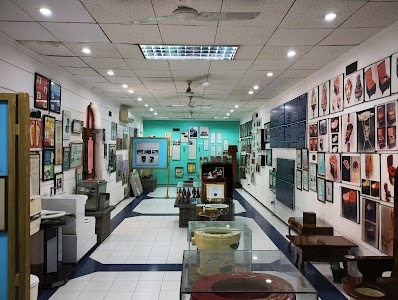
Evolutionary Exhibits – I've noted that the museum features a wide array of exhibits, including rare facts, pictures, and objects detailing the development of toilets. You'll see replicas of ancient Roman commodes, medieval chamber pots, Victorian toilet designs, and even a replica of the throne-like toilet used by King Louis XIV. It truly offers a comprehensive look at the evolution of bathroom practices.
How much time to spend
Quick Exploration – I suggest allocating about 1 to 1.5 hours for a thorough visit. This allows enough time to explore all the exhibits and absorb the interesting information presented without feeling rushed.
Practical info
Visitor Details – The museum generally operates during standard daytime hours, but I recommend checking their official website for the most current timings before your visit. Entry is typically free, making it an accessible educational spot. It's located within the premises of the Sulabh International Social Service Organization, offering a broader context to their work on sanitation and social reform. This museum is more than just about toilets; it's a surprisingly insightful and often amusing experience that will make you rethink something you probably take for granted every day.