
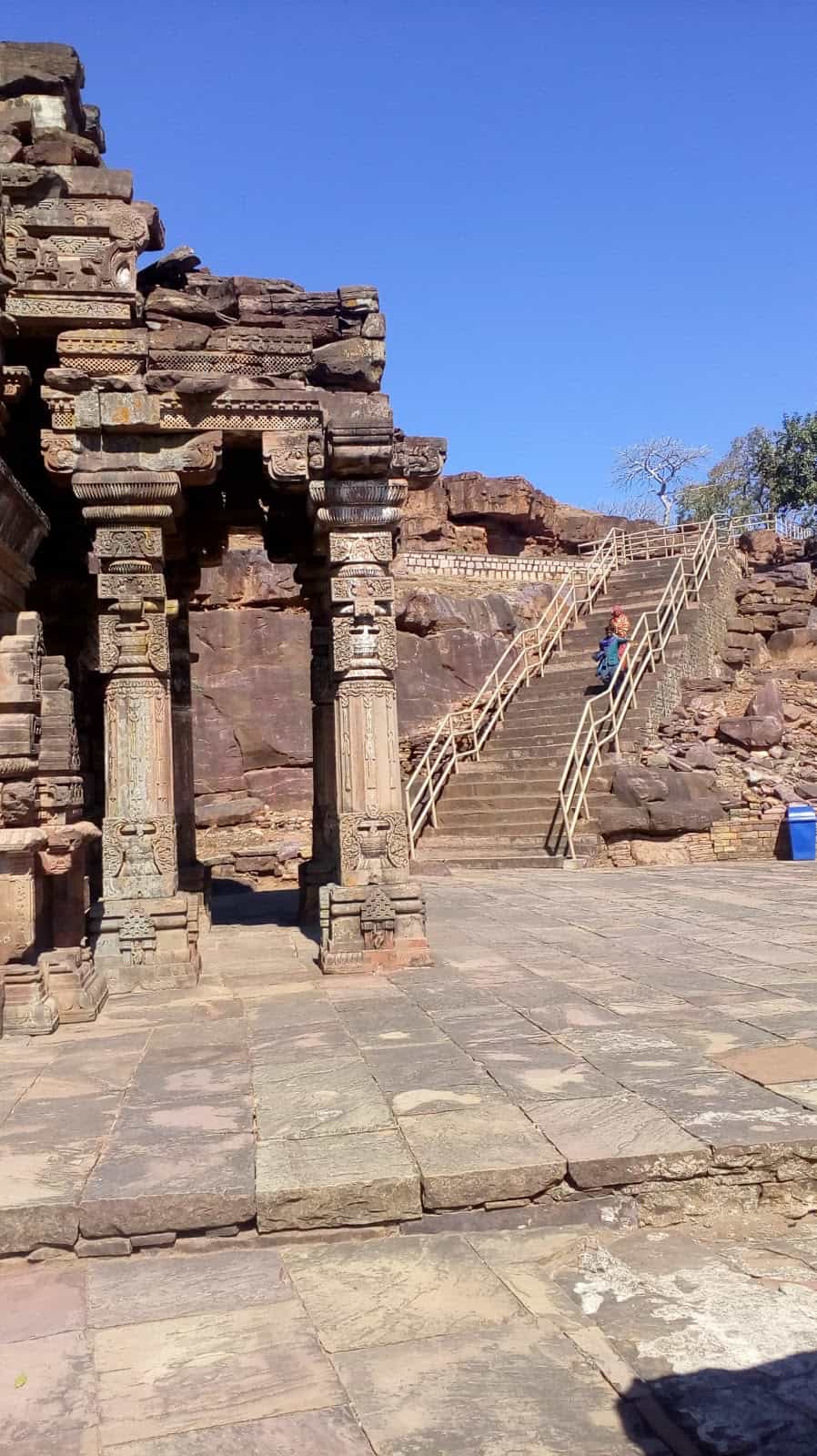



Gyaraspura, Madhya Pradesh
Ancient Site – This is an archaeological site in the Vidisha district of Madhya Pradesh, India. It's known for its significant collection of ancient ruins and temples that reflect the rich history and architectural prowess of various historical periods.
Historical Exploration – People typically visit Gyaraspura to explore its ancient monuments and archaeological remains. It offers a glimpse into the art and religious practices of past eras, attracting history enthusiasts and those interested in ancient Indian architecture.
Quiet Reflection – I find that visitors can expect a serene and open-air experience amidst historical structures. The atmosphere is generally peaceful, allowing for quiet contemplation and appreciation of the ruins, often with fewer crowds compared to more prominent sites.
Rich Past – Gyaraspura boasts a history dating back to the Gupta period (4th-6th century CE) and flourished under the Pratihara dynasty (8th-10th century CE). It was once an important religious and cultural center, leaving behind a legacy of impressive stone temples and sculptures.
Architectural Marvels – When you explore Gyaraspura, here are some key structures I recommend looking out for:
- Athkhamba – These eight intricately carved pillars are remnants of a grand temple gateway from the Pratihara period, showcasing exquisite sculptural details.
- Bajramath Temple – This triple-shrined temple is dedicated to Jain Tirthankaras and stands as a fine example of early medieval temple architecture, known for its unique layout.
- Mala Devi Temple – Perched on a hill, this partially ruined temple offers panoramic views and features a blend of Hindu and Jain architectural styles, with detailed carvings on its walls.
Cooler Months – I suggest visiting Gyaraspura during the cooler, dry months from October to March. The weather during this period is pleasant for exploring the outdoor archaeological sites.
Few Hours – Typically, I'd say a visit of 2 to 3 hours is sufficient to explore the main sites of Gyaraspura at a comfortable pace, allowing time to appreciate the architecture and history.
