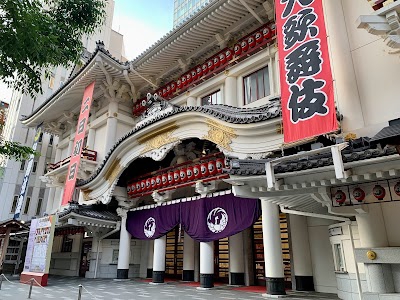
Iconic Theatre – This is Kabuki-za Theatre, the principal theatre in Tokyo dedicated to the traditional Japanese performing art of Kabuki. It's an imposing and beautifully designed building, representing a significant cultural landmark in the Ginza district.
Historical background
Rich History – The original Kabuki-za Theatre was first opened in 1889. The current structure, which reopened in 2013 after extensive renovations, maintains its traditional architectural style while incorporating modern seismic resistance and facilities. It stands as a testament to the enduring legacy of Kabuki.
What happens here
Kabuki Performances – Here, you can experience authentic Kabuki performances, a classical Japanese dance-drama known for its stylized movements, elaborate costumes, and dramatic makeup. The theatre hosts daily or regular performances, often featuring a diverse program of acts.
Why people come here
Cultural Immersion – People come here to immerse themselves in a unique aspect of Japanese culture and witness a living traditional art form. It's a chance to see world-class Kabuki actors perform on a grand stage, offering both entertainment and cultural education.
What to expect
Grand Experience – You can expect a grand and formal atmosphere, though accessible to all. The theatre is designed to enhance the viewing experience, with comfortable seating and excellent acoustics. Even if you don't understand Japanese, the visual spectacle and available English interpretation devices make it enjoyable.
Entry and access guidance
Ticketing Options – Tickets can be purchased for full-length performances or for single acts (Hitomaku-mi), which is a great option for those with less time or new to Kabuki. It's generally advisable to book tickets in advance, especially for popular shows. English audio guides are usually available for rent.
Practical info
Duration & Facilities – Full performances can last several hours, including intermissions, while single acts are much shorter. The theatre typically has facilities like restaurants, souvenir shops, and exhibition spaces. Accessibility features are generally integrated into the modern design.
Good to know
Architectural Marvel – Beyond the performances, the building itself is an architectural marvel, blending traditional Japanese aesthetics with contemporary engineering. Even if you don't attend a show, admiring its exterior and exploring the public areas can be a rewarding experience.