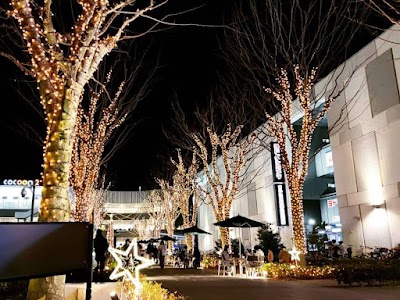
Prefecture and City – Saitama is a prefecture located just north of , forming part of the Greater Tokyo Area. It is also the name of its capital city, . This area offers a unique blend of urban development, historical sites, and natural landscapes.
Why people come here
Diverse Attractions – People typically visit Saitama for its diverse attractions, ranging from traditional towns and serene shrines to modern museums and vibrant natural parks. It serves as a popular destination for those seeking a different pace from , often for day trips or longer explorations of its cultural and outdoor offerings.
What to expect
Varied Experience – Here, I find a more relaxed atmosphere compared to the bustling heart of . You can expect a mix of modern conveniences, historical charm in places like , and stunning natural beauty in regions such as . It generally suits those looking for cultural immersion, outdoor activities, or unique Japanese experiences.
Best time to go
Spring and Autumn – The best times to explore Saitama are typically during spring (March to May) for its cherry blossoms and pleasant weather, or autumn (September to November) when the foliage turns vibrant colors, especially in its mountainous regions. Summer can be warm and humid, while winter is generally cold but often clear.
Practical info
Accessible by Train – Saitama is well-connected to by an extensive train network, making it easily accessible for day trips or longer stays. Travel times vary depending on the specific destination within the prefecture. Many attractions are reachable via public transport.
Good to know
Cultural Hubs – Saitama is home to significant cultural sites like the , dedicated to the art of bonsai. The city of , known as "Little Edo," preserves traditional Japanese architecture and offers a glimpse into the past.
Natural Escapes – The provides extensive opportunities for hiking, river activities, and enjoying seasonal festivals, offering a contrast to the urban areas.