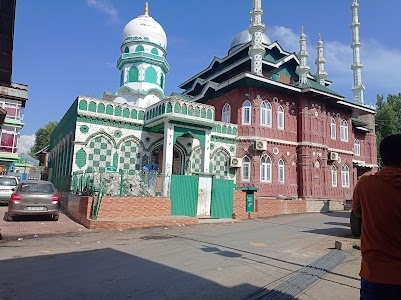
Mosque – This is Jamia Masjid Kanihama, a prominent mosque serving the local Muslim community in the Kanihama area. I see it as a central place of worship and community gathering for residents.
Spiritual or cultural significance
Community Hub – For centuries, mosques like this one have been the heart of Muslim communities. I understand it functions as a vital spiritual center where daily and congregational prayers are offered, fostering a sense of unity and devotion among its worshippers.
Why people come here
Prayer and Reflection – People primarily visit Jamia Masjid Kanihama for their daily prayers, especially the important Friday congregational prayers (Jummah). It's also a place for quiet reflection, seeking spiritual solace, and participating in religious education or community events.
What to expect
Peaceful Atmosphere – When you visit, I expect you'll find a serene and respectful atmosphere. The mosque is typically a calm environment, particularly during non-prayer times, where you can observe worshippers or simply appreciate the architecture.
Visitor etiquette
Respectful Conduct – To ensure a respectful experience for everyone, I recommend dressing modestly, covering your head if you're a woman, and removing your shoes before entering the prayer hall. Maintaining silence during prayer times is also appreciated.
Practical info
Open Daily – The mosque is generally open from dawn until after the last evening prayer. While there are no fixed visiting hours for tourists, you can typically visit outside of specific prayer times. The duration of your visit can vary from a short prayer to a longer period of reflection.
Good to know
Architectural Insight – I've noted that many mosques in the region often feature traditional Kashmiri architectural elements, which can include intricate woodwork and unique structural designs. Observing these details can be a rewarding part of your visit.
Facilities for visitors
Ablution Facilities – You'll typically find dedicated facilities for Wudu (ablution) available for worshippers. Parking might be available nearby, but it's often street parking or designated areas for local congregants.