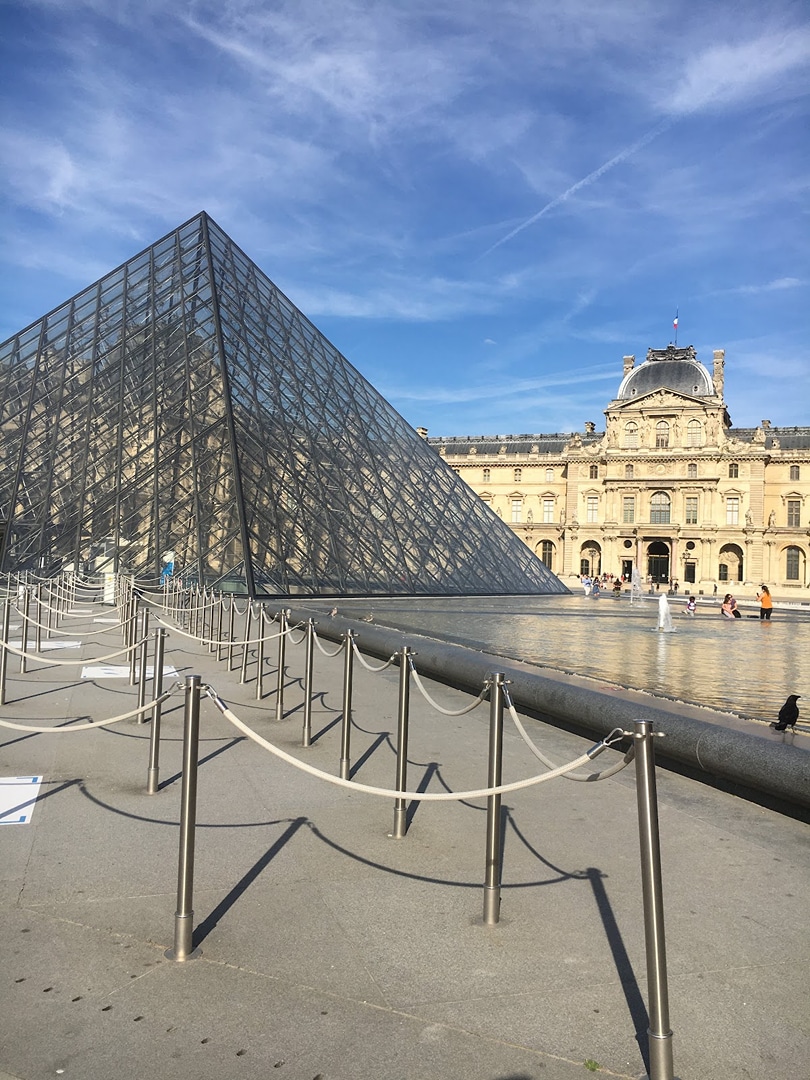
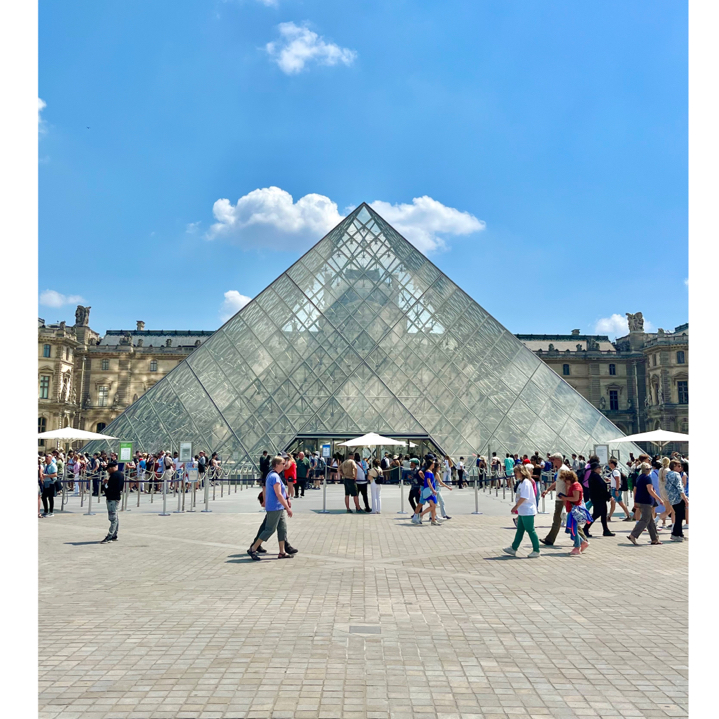
Iconic Museum – This is one of the world's largest and most famous art museums, housed in the Louvre Palace , a former royal palace. It’s a central landmark in Paris , known globally for its vast collections.
Why people come here
Art Exploration – People primarily visit to immerse themselves in its immense collection of art and historical artifacts, spanning from ancient civilizations to the mid-19th century. Many come specifically to see its iconic masterpieces.
What to expect
Grand Scale – Expect a grand and often bustling experience. The museum is immense, with countless galleries, and can feel overwhelming due to its sheer size and popularity. It’s a journey through art history.
Historical background
Royal Origins – Originally built as a medieval fortress in the late 12th century, the site was later transformed into a royal palace. It became a public museum after the French Revolution, solidifying its place in history.
Key highlights
Masterpieces Galore – I find that visitors often seek out the enigmatic Mona Lisa , the classical Venus de Milo , and the majestic Winged Victory of Samothrace . Beyond these, there are extensive Egyptian antiquities, Greek and Roman sculptures, and European paintings. The modern I.M. Pei glass pyramid at the entrance is also a significant architectural feature.
Best time to visit
Off-Peak Hours – To navigate the museum with fewer crowds, I'd suggest visiting on weekdays, particularly during the late afternoon or evening openings. The winter months (November to February), excluding holiday periods, also tend to be quieter.
Practical info & Tips
Strategic Planning – Given its vastness, I recommend planning your visit by identifying the specific wings or artworks you most want to see beforehand. A comprehensive visit could easily take an entire day, but for a focused exploration of key areas, plan for at least 3-4 hours. Entry tickets are typically required and can often be purchased online in advance to save time. Comfortable shoes are a must for exploring its vast halls.