
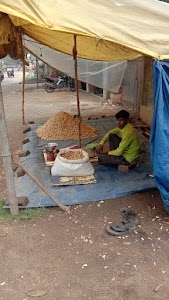



Mata Temple, Dhanyavali
What is this place?
Devotional Site – This is a sacred Hindu temple dedicated to the Divine Mother, often revered in various forms. I see it as a central point for devotion and spiritual practices for the local community in Dhanyavali.Why people come here
Seek Blessings – People primarily visit to offer prayers, seek blessings, and participate in religious ceremonies. Many come here to find peace, fulfill vows, or celebrate festivals associated with the Goddess.Spiritual or cultural significance
Divine Mother – The temple holds deep spiritual significance as a place of worship for the Divine Mother, a central deity in Hinduism representing power, creation, and protection. It often plays a vital role in local cultural traditions and community gatherings.What to expect
Peaceful Atmosphere – You can expect a serene and devotional atmosphere, often accompanied by the sounds of chanting or bhajans. The temple may have varying crowd levels, from quiet periods to bustling times during festivals.Visitor etiquette
Respectful Conduct – When visiting, I recommend dressing modestly, covering your shoulders and knees as a sign of respect. Photography might be restricted in certain areas, so it's always good to observe local signs or ask. Removing your footwear before entering the main shrine is customary.Best time to go
Morning/Evening – I find that mornings and evenings are generally the most peaceful times for a visit, often coinciding with daily prayer rituals. During major festivals like Navratri, the temple will be very lively and crowded.Practical info
General Access – The temple is typically open during daylight hours, though specific timings can vary. There might be designated areas for offerings or donations. I recommend allowing sufficient time to soak in the atmosphere, perhaps 30 minutes to an hour.Good to know
Community Hub – This temple often serves as more than just a place of worship; it can be a community hub where people gather for social and cultural activities, especially during festive seasons.