
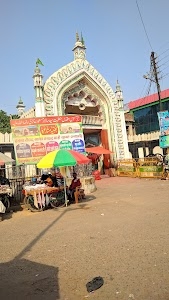



Dargah Hazrat Syed Salar Masood Ghazi R.H.
What is this place?
Sufi Shrine – This is a revered Sufi shrine (dargah) dedicated to the 11th-century Sufi saint Ghazi Saiyyad Salar Masud. It stands as a significant pilgrimage site in Bahraich, Uttar Pradesh, attracting devotees from various backgrounds.Spiritual & Cultural Significance
Historical Devotion – The dargah holds immense spiritual importance, especially for followers of Sufism. It commemorates Ghazi Saiyyad Salar Masud, a revered warrior and saint believed to have played a key role in spreading Islam in the region. Many devotees believe that wishes made here are granted through his intercession. The annual 'Urs' festival is a major cultural event, attracting a large number of pilgrims.Why People Come Here
Seeking Blessings – People primarily visit this dargah for pilgrimage, to offer prayers (dua), and to seek blessings and spiritual solace. It is a place where devotees express gratitude for fulfilled wishes and find peace and spiritual connection.What to Expect
Devotional Atmosphere – You can expect a serene yet often vibrant atmosphere, frequently filled with the sounds of devotional music (qawwalis) and the scent of incense. It is a place of deep respect and spiritual reflection, drawing a diverse crowd of devotees from various faiths and backgrounds.Visitor Etiquette
Respectful Conduct – As a sacred site, modest dress is generally expected; covering your head is customary, especially for women, and scarves are often available. Photography might have restrictions in certain areas. Removing footwear before entering the main shrine is essential. Maintaining a respectful demeanor and silence in prayer areas is appreciated.Practical Information
Daily Access & Amenities – The dargah is generally open daily, though specific timings for rituals or prayer may vary. It can become very crowded during festivals, particularly the annual Urs. Facilities typically include areas for shoe keeping, ablution (wudu), and designated spaces for offerings. Small shops selling religious items, flowers, and sweets are often found outside the main complex.