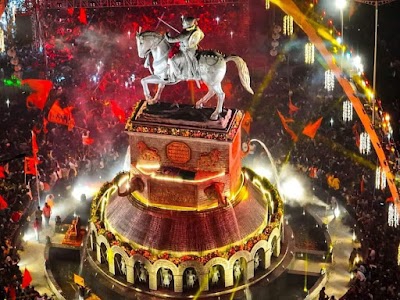
Historical City – Sambhajinagar, formerly known as Aurangabad, is a significant city in the Marathwada region of Maharashtra, India. It served as a prominent Mughal capital under Emperor Aurangzeb and is renowned as a gateway to some of India's most spectacular ancient rock-cut caves.
Why people come here
Ancient Wonders – Visitors primarily come here to explore the UNESCO World Heritage Sites of Ajanta Caves and Ellora Caves , which showcase exquisite ancient Indian art and architecture. The city also offers a glimpse into Mughal history through its monuments.
What to expect
Cultural Immersion – I find Sambhajinagar to be a blend of historical grandeur and modern city life. You can expect a bustling urban environment serving as a base for exploring ancient sites. The atmosphere around the historical monuments is often serene and awe-inspiring, while the city itself is lively.
Best time to go
Cooler Months – The most comfortable time to visit is generally from October to March. During these months, the weather is cooler and more pleasant for sightseeing and exploring the outdoor cave complexes and forts. The monsoon season (June to September) brings lush greenery but can make travel to some sites challenging.
Practical info
Exploration Hub – Sambhajinagar acts as a central hub for exploring the surrounding historical sites. Many visitors choose to base themselves here for several days to adequately cover the caves and other attractions. Taxis, auto-rickshaws, and local buses are common modes of transport for getting around the city and to nearby sites.
Good to know
Artistic Heritage – Beyond the famous caves, Sambhajinagar is also known for its unique Himroo fabric, a blend of cotton and silk with intricate designs. I also recommend looking out for the local cuisine, which offers a taste of Marathwada flavors.
Key Highlights of the Region
Bibi Ka Maqbara – Often called the "Taj of the Deccan," this mausoleum was built by Prince Azam Shah, son of Emperor Aurangzeb, in memory of his mother, Dilras Banu Begum.
Daulatabad Fort – A formidable 14th-century fortress known for its ingenious defense mechanisms and strategic location.
Panchakki – An impressive 17th-century water mill that demonstrates the engineering marvels of the past, powered by an underground channel.