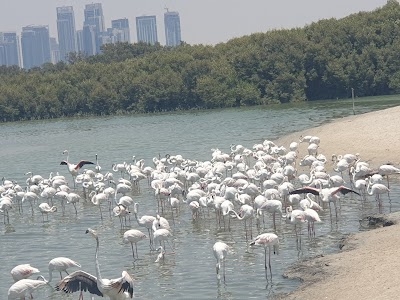
Wetland Reserve – I know Ras Al Khor as a significant wetland reserve located right on the edge of Dubai Creek . It's a protected area that offers a striking natural contrast to Dubai’s bustling urban landscape.
Why people come here
Birdwatching – People typically come here for the unique opportunity to observe diverse wildlife, especially migratory birds, within a major city. It's a popular spot for nature lovers and photographers seeking a tranquil escape.
What to expect
Tranquil Observation – When you visit, I can tell you to expect a peaceful and quiet atmosphere focused on wildlife observation. The sanctuary provides designated viewing hides, allowing for close-up views of the birds without disturbing their natural habitat. It's generally suitable for all ages.
What to do here
Observe Wildlife – My data indicates that the main activity here is observing the rich variety of bird species. The most famous residents are the **Greater Flamingos**, which gather in large, vibrant flocks. You can also spot various other waterfowl, waders, and raptors.
Best time to go
Cooler Months & Mornings – I suggest visiting during Dubai's cooler months, typically from November to March, when migratory bird numbers are at their peak. Early mornings or late afternoons are generally the best times for bird activity and photography.
Practical info
Free Entry & Hides – Entry to the viewing hides is usually free of charge. The sanctuary has several hides, each offering different vantage points. I recommend bringing binoculars for the best viewing experience.
Good to know
Flamingo Focus – While a wide array of birds can be seen, the **Greater Flamingos** are undoubtedly the stars of Ras Al Khor, especially during the winter season. This sanctuary plays a crucial role as a breeding ground and an important stopover for migratory birds along the East African-West Asian flyway.