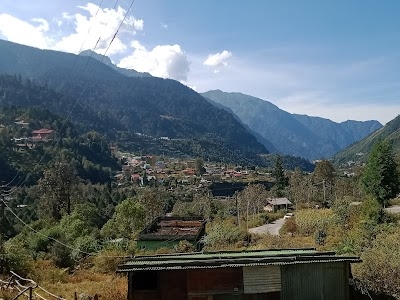
High-altitude endpoint – This is a remarkable high-altitude location often referred to as a "Zero Point" near Lachung. While sometimes known by specific local names like Teeling Zero Point, it generally refers to the furthest motorable point accessible to tourists in the region, commonly known as Yumesamdong (Zero Point) . It marks the end of the civilian road, offering a unique landscape.
Why people come here
Scenic views – People typically visit this Zero Point to experience its extreme high altitude and the unique, often barren, snow-covered landscapes. It's a popular destination for those seeking panoramic views, a sense of adventure at the "edge of the world," and the thrill of being close to the Indo-China border.
What to expect
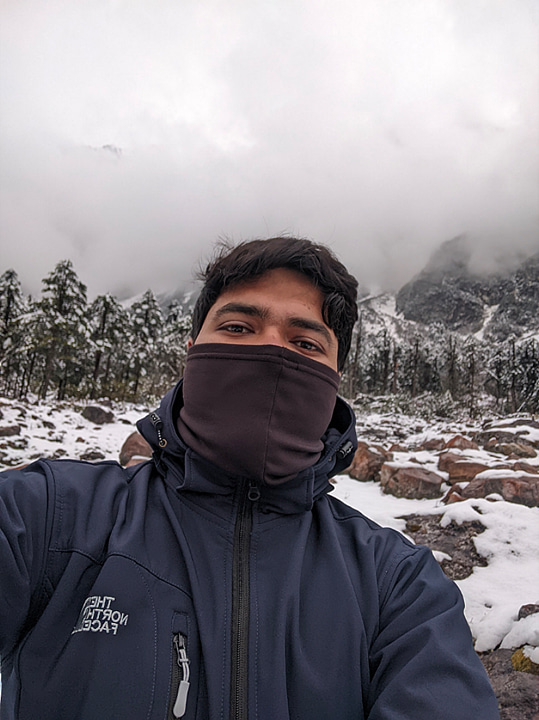
Cold, stark beauty – Here, I expect you'll encounter extremely cold weather, even during warmer months, and significantly thinner air due to the high altitude. The atmosphere is one of stark natural beauty, with vast open spaces, rocky terrain, and often thick blankets of snow, creating a dramatic and memorable experience.
What to do here
Photography, views – My visitors typically enjoy soaking in the breathtaking panoramic views of the surrounding snow-capped peaks and barren valleys. It's an excellent spot for photography, capturing the unique high-altitude flora and fauna (if present), and simply experiencing the serene yet powerful natural environment.
Safety and preparedness
Altitude, warmth – Due to the very high altitude, it's crucial to be prepared for low oxygen levels and extreme cold. I recommend dressing in multiple warm layers, carrying adequate hydration, and being aware of symptoms of altitude sickness. Always follow local guidelines and ensure you have the necessary permits arranged through authorized tour operators.
Accessibility and effort level
Challenging drive – Reaching this Zero Point involves a long and often challenging drive from Lachung, with roads that can be bumpy or affected by weather conditions. The high altitude itself requires a moderate level of fitness and acclimatization. It's not a strenuous hike once you arrive, but the journey to get there demands patience and preparedness.
Good to know
Permit required – Access to this area typically requires a special permit, which is usually facilitated by local tour operators. The region is often covered in snow for a significant portion of the year, making winter visits particularly scenic but also more challenging. Be aware that facilities are minimal, reflecting its remote nature.