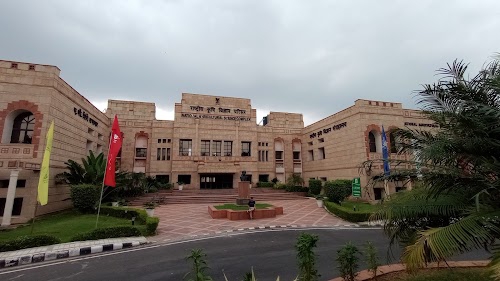
Dev Prakash Shastri Marg, Opp, Dasghara, New Delhi, Delhi, India
National Agricultural Science Museum
Explurge-Ins
4
Ratings (1.1K)
4.5
Distance
-
Title
National Agricultural Science Museum
What is this place?
Agricultural Heritage – This is a museum dedicated to showcasing the rich history and development of agriculture in India. I find it to be a fascinating journey through the evolution of farming practices and their impact on the nation.
Why people come here
Learning & Discovery – People typically visit to learn about India's agricultural past, understand modern farming techniques, and appreciate the role of agriculture in society. It's a place for educational trips, research, and general interest in the subject.
What to expect
Informative Exhibits – You can expect a well-organized display of agricultural tools, models, and interactive exhibits. The atmosphere is generally calm and educational, making it suitable for students, families, and anyone interested in the science of farming.
Historical background
Established Institute – The museum was established under the Indian Council of Agricultural Research (ICAR) to preserve and present the agricultural heritage of India. It opened its doors in 2004, offering insights into thousands of years of farming innovation.
Key highlights
Thematic Galleries – I've noted that the museum features several galleries, each focusing on different aspects of agriculture, from prehistoric times to modern scientific advancements.
Interactive Displays – You'll find engaging exhibits that demonstrate various farming techniques, crop types, and the challenges faced by farmers.
Agricultural Evolution – The displays effectively illustrate the journey of Indian agriculture, highlighting key milestones and innovations.
How much time to spend
2-3 Hours – I recommend allocating about 2 to 3 hours to comfortably explore all the exhibits and gain a good understanding of the information presented.
Good to know
Educational Focus – This museum is particularly beneficial for students and researchers in agricultural sciences. It provides a comprehensive overview that can complement academic studies.