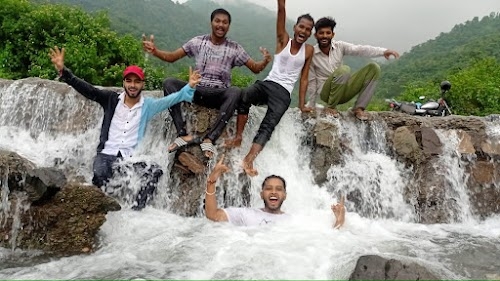
Seasonal river – This is a seasonal river that flows through the city of Dehradun . It originates in the lower Himalayas and is a significant, albeit often dry, natural feature of the region.
Why people come here
Witness nature – People come here to witness nature within an urban setting and to observe the ongoing efforts to restore and rejuvenate this important water body. It holds ecological and historical significance for the local community.
What to expect
Varying flow – You can expect to see a riverbed that varies greatly with the seasons, from a flowing stream during monsoons to a largely dry expanse at other times. The surrounding areas often show signs of urban development alongside natural vegetation, and you might observe community initiatives focused on cleaning and conservation.
What to do here
River walks – I recommend taking a walk along its banks, especially during cooler parts of the day. It's a place for quiet reflection, nature photography (capturing the changing landscape), and observing local life connected to the river. You might also see birdlife, particularly when water is present.
Best time to go
Post-monsoon – The best time to visit is typically during and immediately after the monsoon season (July to October) when the river has a visible flow. For walks, the cooler months from October to March are pleasant, even if the water level is low.
Practical info
Easily accessible – The Rispana River is generally accessible from various points within Dehradun city. There are no specific entry fees or timings, as it's an open natural feature. Public transport and private vehicles can get you close to different sections of the river.
Good to know
Rejuvenation efforts – The Rispana River is a subject of significant environmental concern and rejuvenation projects by local authorities and community groups. These initiatives aim to restore its ecological health, making it an interesting spot to observe conservation in action.