
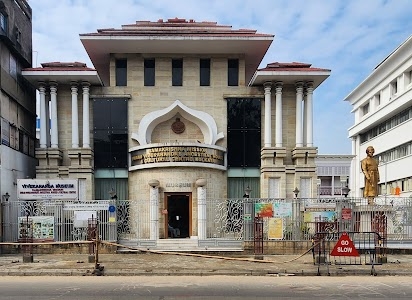



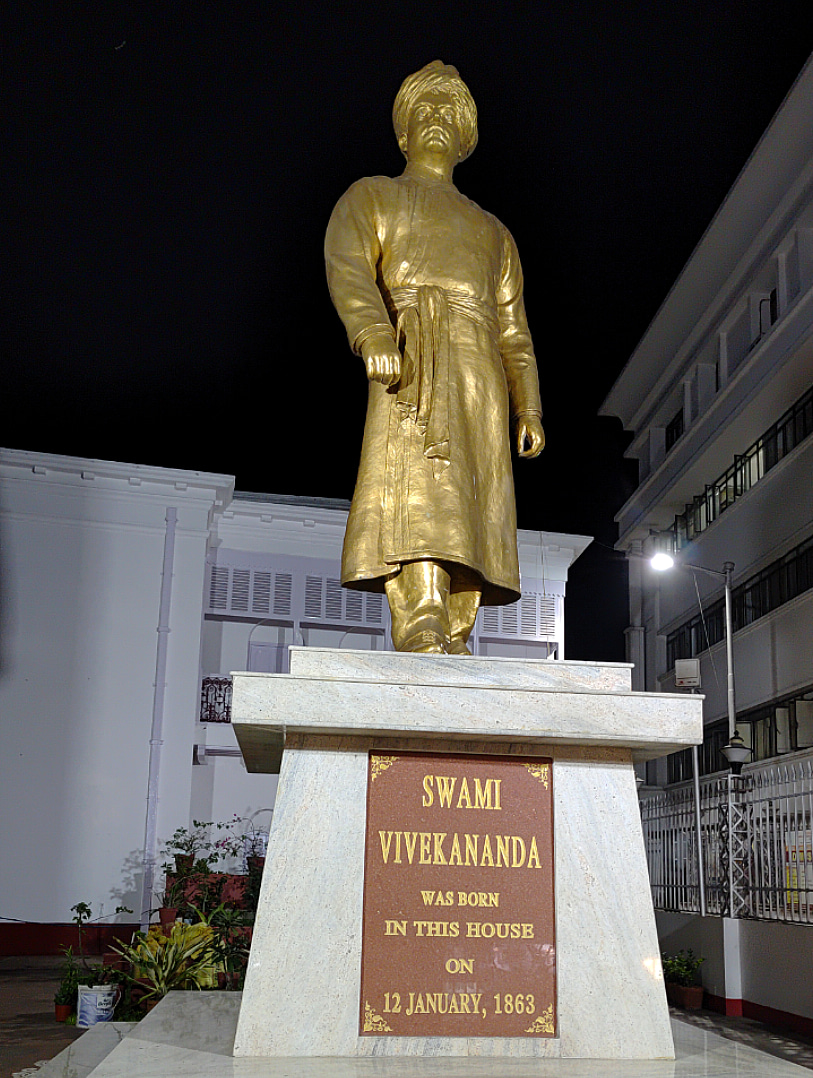
Ramakrishna Mission Swami Vivekananda's Ancestral House and Cultural Centre
What is this place? – I identify this as the birthplace and childhood home of Swami Vivekananda , a key figure in the Ramakrishna Mission and a renowned spiritual leader. It serves as a cultural center and museum dedicated to his life and teachings.
Why people come here – Visitors come here to explore Swami Vivekananda's origins, understand his early life, and delve into the philosophical and spiritual principles he espoused. It's a place for reflection and learning about his profound impact.
What to expect – You can expect a serene and educational experience. The house is meticulously maintained, offering insights into 19th-century Bengali life and the formative years of a spiritual giant. It generally suits those interested in history, philosophy, and spiritual heritage.
Spiritual or cultural significance – This site holds immense spiritual and cultural importance as the very place where Swami Vivekananda was born and spent his childhood. It symbolizes his journey from Narendra Nath Datta to the global ambassador of Vedanta and yoga.
Historical background – The ancestral house dates back to the late 18th century. Swami Vivekananda was born here in 1863. After falling into disrepair, it was acquired and meticulously restored by the Ramakrishna Mission to its original form, opening as a cultural center in 2004.
Key highlights – Don't miss the restored ancestral home itself, displaying personal belongings and artifacts. The museum section provides a comprehensive overview of his life, while the meditation hall offers a quiet space for contemplation. There's also a library and an archive.
Visitor etiquette – I advise visitors to maintain silence and respect within the premises, especially in the meditation hall and museum areas. Photography rules might apply in certain sections, so look for signage or inquire. Modest dress is generally appropriate.
How much time to spend – I recommend allocating 1.5 to 2 hours to thoroughly explore the ancestral house, museum, and cultural center, allowing time for reflection.
