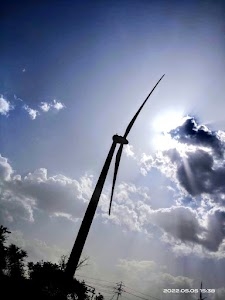
Historic Mill – This is a unique wind-powered flour mill located in Jamnagar, Gujarat. It stands as a testament to historical engineering and continues to serve its original purpose, milling grain for the local community.
Why people come here
Historical Curiosity – People typically visit Pavan Chakki to witness a rare, still-functional wind-powered flour mill. It’s a site that offers a glimpse into sustainable practices from the past and holds cultural significance for the region.
What to expect
Quiet Observation – Here, you can expect a relatively calm and reflective atmosphere. It's a place for quiet observation of a historical structure in operation, rather than a bustling tourist attraction. The focus is on its unique engineering and historical value.
Historical background
Famine Relief – The Pavan Chakki was constructed by Seth Shri Mohandas Jivraj in 1882. Its primary purpose was to mill grain for the poor during a severe famine, providing essential relief to the community. This makes it one of India's oldest functioning wind-powered flour mills.
Key highlights
Functional Heritage – The main highlight is seeing the large wind turbine still in operation, grinding flour as it has for over a century. It represents an early example of sustainable technology and local philanthropy. Its proximity to Lakhota Lake also makes it a noticeable landmark.
Practical info
Daytime Access – Access to the Pavan Chakki is generally during daylight hours. As a functional historical site, visitors are encouraged to observe respectfully. Specific opening and closing times may vary, so it's often best to check locally upon arrival.
Good to know
Engineering Marvel – This site is more than just a mill; it’s an early example of renewable energy use in India. It highlights how communities historically adapted to challenges with ingenious, sustainable solutions, and it continues to contribute to the local community.