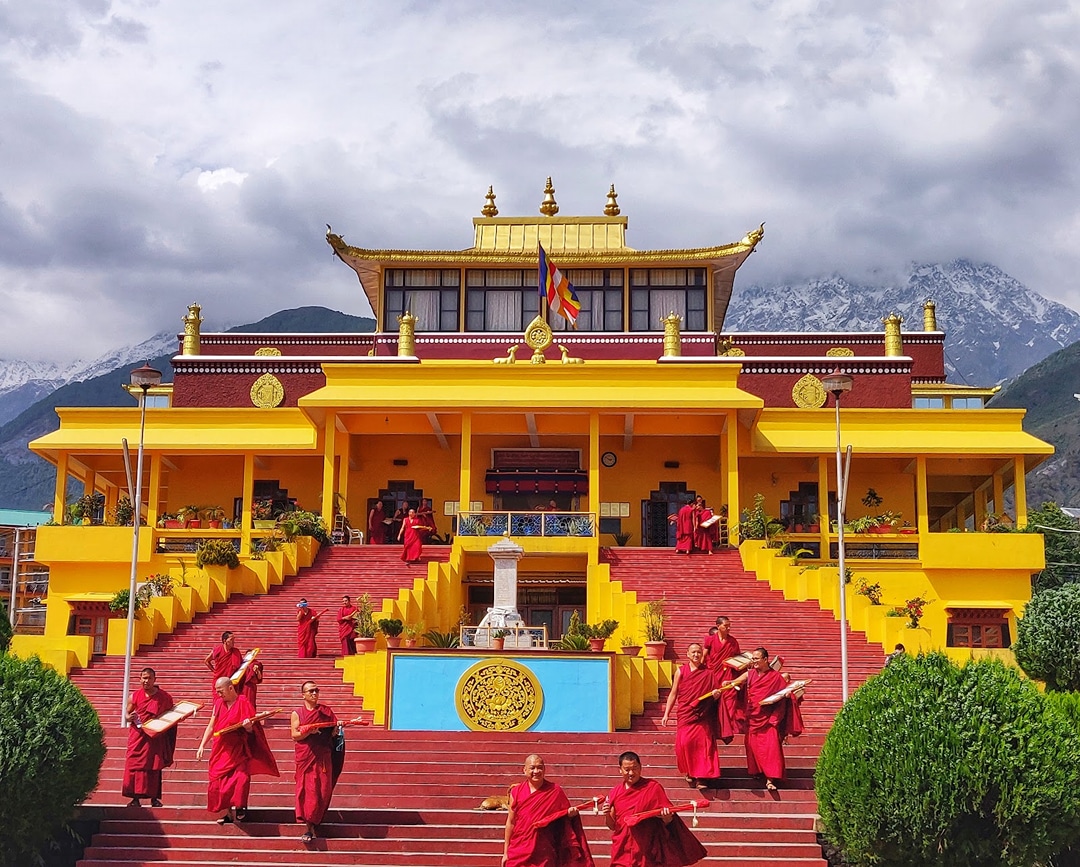
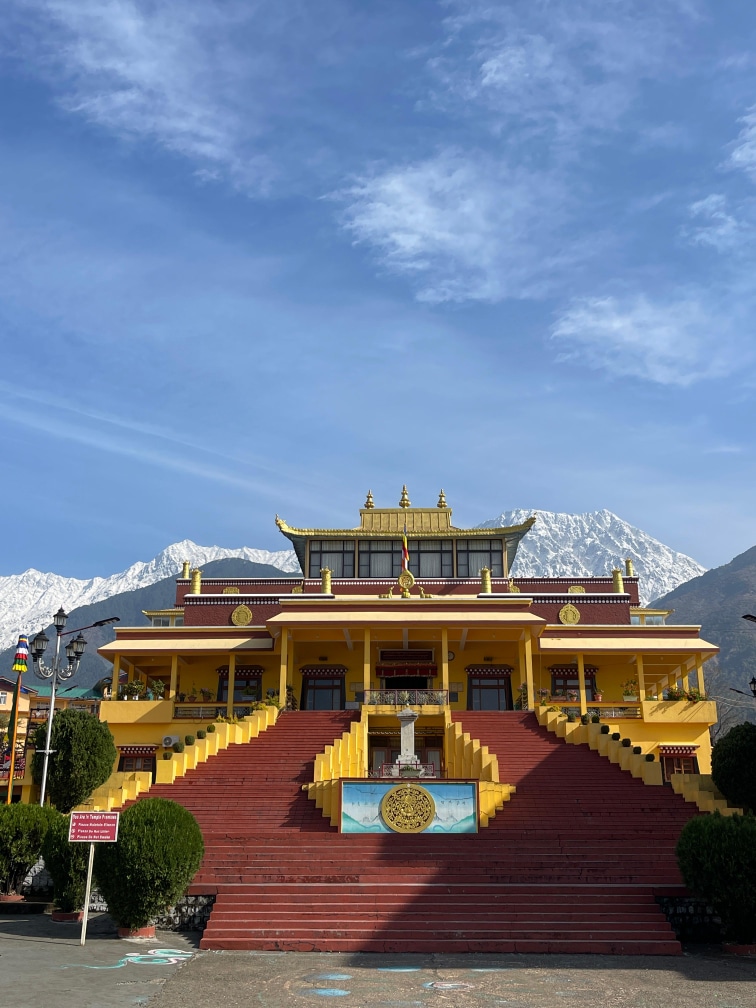
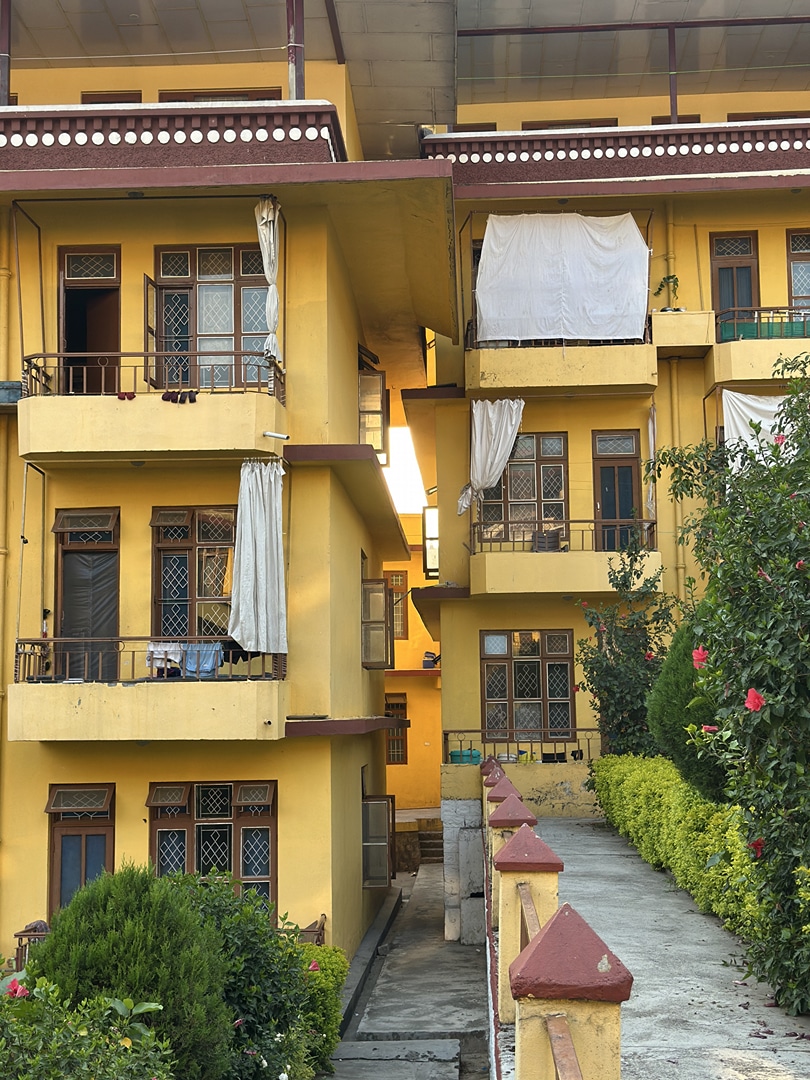
Monastery – This is the Gyuto Tantric Monastic University , a significant Tibetan Buddhist monastery located in Sidhbari, near Dharamshala . It serves as the temporary residence of His Holiness the 17th Karmapa, Ogyen Trinley Dorje, a prominent figure in the Kagyu school of Tibetan Buddhism.
Spiritual or cultural significance
Tantric Learning – The monastery is primarily a center for the study and practice of Tantric Buddhism, specifically within the Kagyu lineage. It holds immense importance for Tibetan Buddhists worldwide and provides a deep insight into their spiritual traditions, rituals, and philosophical teachings. The presence of the Karmapa makes it a pivotal spiritual hub.
Why people come here
Spiritual Retreat – People typically visit to seek blessings, observe monastic life, and learn about Tibetan Buddhist culture and philosophy. It's a place for quiet contemplation, spiritual reflection, and to experience the serene atmosphere of a working monastery. Many also hope to catch a glimpse of the Karmapa, depending on his schedule and accessibility.
What to expect
Peaceful Ambiance – I find a deeply serene and spiritual atmosphere here. You can expect to see monks engaged in daily rituals, listen to their chanting, and admire the vibrant Tibetan architecture and art. The environment is generally calm, offering a peaceful escape from the everyday hustle.
Visitor etiquette
Respectful Conduct – When visiting, it’s important to maintain a respectful demeanor. I recommend dressing modestly, covering shoulders and knees. Photography might be restricted in certain prayer halls or during specific ceremonies, so always look for signs or ask a monk. Please remove your shoes before entering the main temple areas and keep voices low.
Practical info
Visiting Hours – The monastery is generally open to visitors during daylight hours, typically from around 9 AM to 12 PM and 1 PM to 5 PM. These timings can vary, especially during special events or holidays, so it's always good to check locally if you have specific plans. It’s a good idea to allocate at least 1-2 hours to explore the main areas comfortably.
Best time to go
Pleasant Weather – The most pleasant times to visit are generally during the spring (March to May) and autumn (September to November) months, when the weather is mild and clear. Mornings are often ideal for observing the monks' daily routines and experiencing the monastery at its quietest.
Good to know
Cultural Insights – This is a wonderful place to gain a deeper understanding of Tibetan culture and tantric Buddhist practices. There is often a small shop on the premises where you can find religious artifacts, books, and souvenirs, with proceeds typically supporting the monastic community.