Sultanpur, a historical city in Uttar Pradesh, India
What is this place?
District Headquarters – I see Sultanpur as a district headquarters city located in the northeastern part of Uttar Pradesh , India. It sits gracefully on the banks of the Gomti River , holding a blend of historical roots and modern administrative functions.
Why people come here
Local Hub – People generally visit Sultanpur for administrative purposes, as it's a district center. It also serves as a regional hub for trade and agriculture, attracting those from surrounding rural areas.
Cultural Exploration – I find that some visitors are drawn to its historical and religious sites, which offer a glimpse into the region's past and cultural heritage.
What to expect
Everyday Life – Expect a typical North Indian city atmosphere, characterized by bustling markets, local eateries, and a mix of traditional and contemporary life. The pace is generally relaxed compared to larger metropolitan areas.
Cultural Blend – You'll likely experience a blend of Hindu and Muslim cultures, reflected in its architecture, festivals, and cuisine. The city is generally calm and welcoming.
Best time to go
Cooler Months – I suggest visiting during the cooler months, typically from October to March. During this period, the weather is pleasant for exploring the city and its surroundings.
Avoid Summer – The summer months, especially from April to June, can be quite hot, making outdoor activities less comfortable.
Good to know
Historical Name – It's interesting to know that Sultanpur was historically known as Kushbhawanpur, believed to be named after Kusha, one of Lord Rama's sons. This ancient connection adds depth to its identity.
Gomti Ghats – The city's location on the Gomti River means you can find several ghats (riverfront steps) where locals perform rituals and gather, offering a glimpse into daily life.
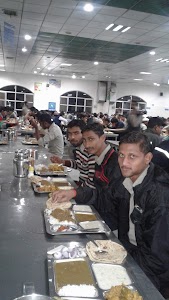
Local Cuisine – Don't miss trying some of the local Uttar Pradeshi cuisine, which often features traditional vegetarian and non-vegetarian dishes.