
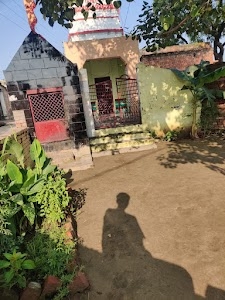




Ramnagar's Temple
What is this place?
Ancient Temple – This is a traditional Hindu temple, likely dedicated to a specific deity, offering a sacred space for worship and reflection. Temples like this often serve as central points for the local community's spiritual life and heritage.Spiritual Significance
Devotion & Heritage – People primarily come here for religious devotion, to offer prayers, perform rituals, and seek blessings. It often holds historical or cultural importance for the region, reflecting centuries of spiritual practices and community traditions.What to Expect
Peaceful Atmosphere – I expect a generally peaceful and reverent atmosphere, especially during non-peak hours. You might encounter devotees engaged in prayer, priests performing ceremonies, and the gentle sounds of chanting or bells. The crowd levels can vary significantly, being busiest during festivals or specific prayer times.Visitor Etiquette
Respectful Conduct – When visiting, it's customary to dress modestly, covering shoulders and knees, and to remove your footwear before entering the main shrine area. Photography might be restricted in certain inner sanctums, so always look for signs or ask. Maintain a respectful silence to honor the sanctity of the place.Practical Information
Basic Facilities – You'll generally find basic facilities like shoe-keeping areas, donation boxes, and possibly small stalls selling offerings. Washrooms may be available but can vary in condition. Accessibility might be limited for those with mobility challenges, as many older temples have steps.Best Time to Visit
Morning & Evening – The temple is often most active during morning and evening prayer times (Aarti), which can be a vibrant experience. For a quieter visit, I recommend coming during the late morning or early afternoon on a weekday. Avoid major festival days if you prefer fewer crowds.Good to Know
Local Customs – Many temples have specific customs or traditions unique to their region or deity. Observing how local devotees interact with the temple can offer insights into its spiritual practices. Donations are usually voluntary and contribute to the temple's upkeep.