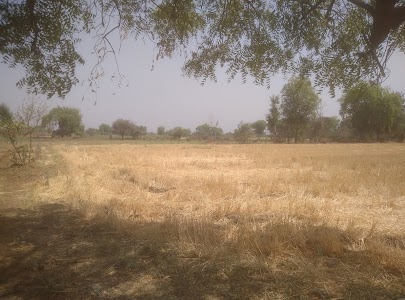
Historical Significance – Washim is a district headquarters in the Indian state of Maharashtra. It holds historical importance, having been the capital of the Vakataka dynasty. The city is known for its ancient temples and a blend of cultural influences.
Why people come here
Cultural Exploration – Visitors typically come to Washim to explore its historical sites, particularly its temples, and to experience the local culture of the Vidarbha region. It's a destination for those interested in ancient Indian history and religious architecture.
What to expect
Tranquil Atmosphere – I find Washim to be a relatively calm and traditional city. The atmosphere is generally peaceful, with a focus on local life and religious practices. You can expect to see a mix of historical structures and modern developments. It suits travelers looking for a quiet, culturally rich experience rather than bustling tourist attractions.
Best time to go
Winter Months – The most pleasant time to visit Washim is during the winter months, from October to March, when the weather is cooler and more comfortable for sightseeing. The monsoon season (June to September) brings rainfall, which can make travel a bit challenging, while summers (April to May) are typically hot.
Practical info
Local Transport – Getting around Washim usually involves auto-rickshaws or local buses. While exploring temples, it's advisable to dress modestly as a sign of respect. Many places of interest are within reasonable proximity, making it easy to navigate.
Good to know
Vakataka Dynasty – Washim was historically known as Vatsagulma, the capital of the Vatsagulma branch of the Vakataka dynasty. This period was significant for its contributions to art, architecture, and literature in ancient India. Many of the temples in and around Washim have roots dating back to this era or later periods influenced by it.